
Round vs Rectangular Dining Tables: What Works Best?
Understanding how table shape affects your space
The shape of a dining table plays a significant role in how a room functions. Beyond aesthetics, it influences movement, seating capacity and how people interact within the space.
In Australian homes, where open-plan layouts are common, choosing the right table shape can help define zones while maintaining flow between kitchen, dining and living areas.
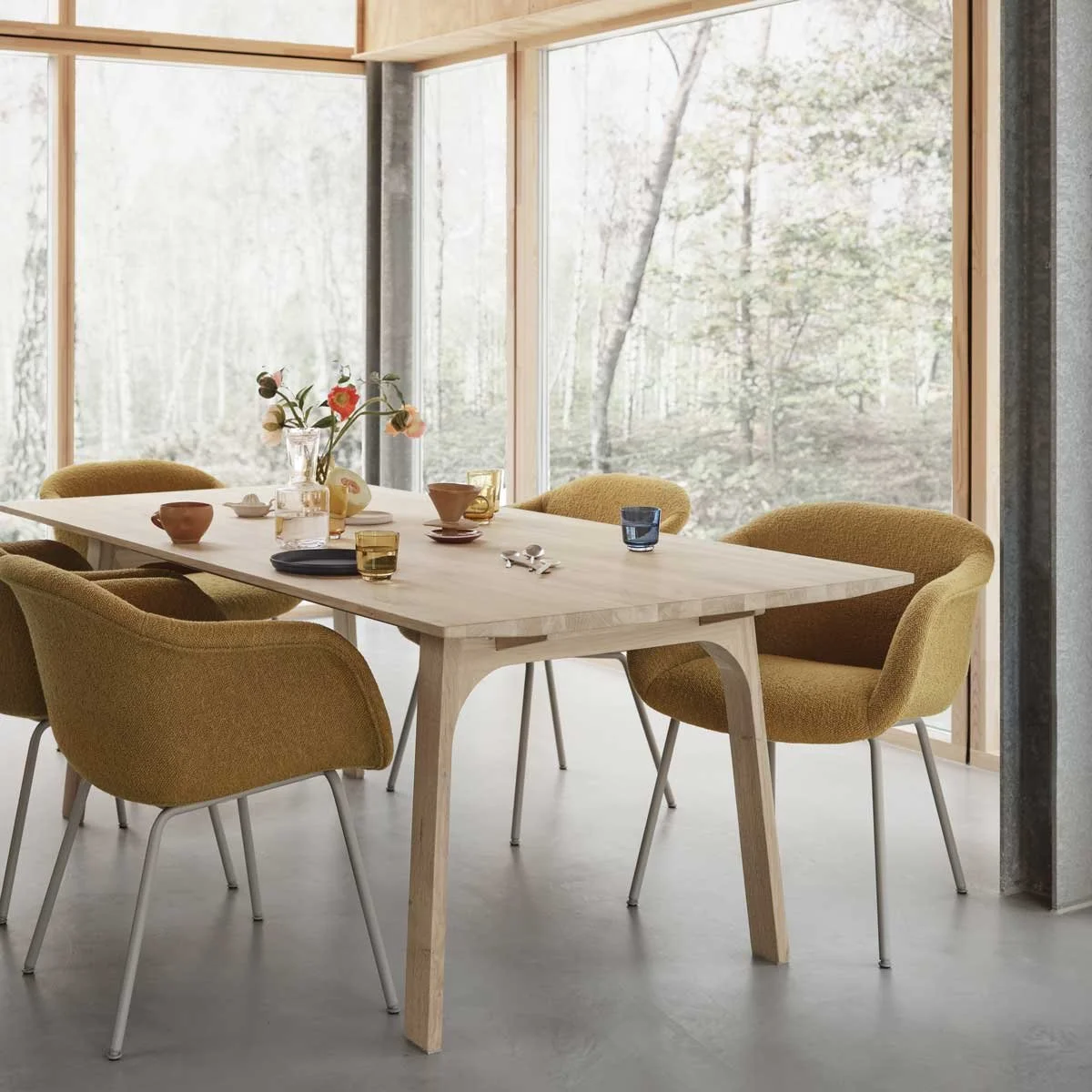
Rectangular dining tables
Rectangular tables are the most common choice, particularly in larger homes and open-plan spaces.
They offer:
Greater seating capacity
Clear alignment within long or narrow rooms
A strong visual anchor within open layouts.
Rectangular tables work well when positioned parallel to walls or architectural elements, helping to reinforce the structure of the space.
They are also typically the best option for entertaining larger groups, as additional seating can be added along the length of the table.
Explore our range of rectangular dining tables for more options.
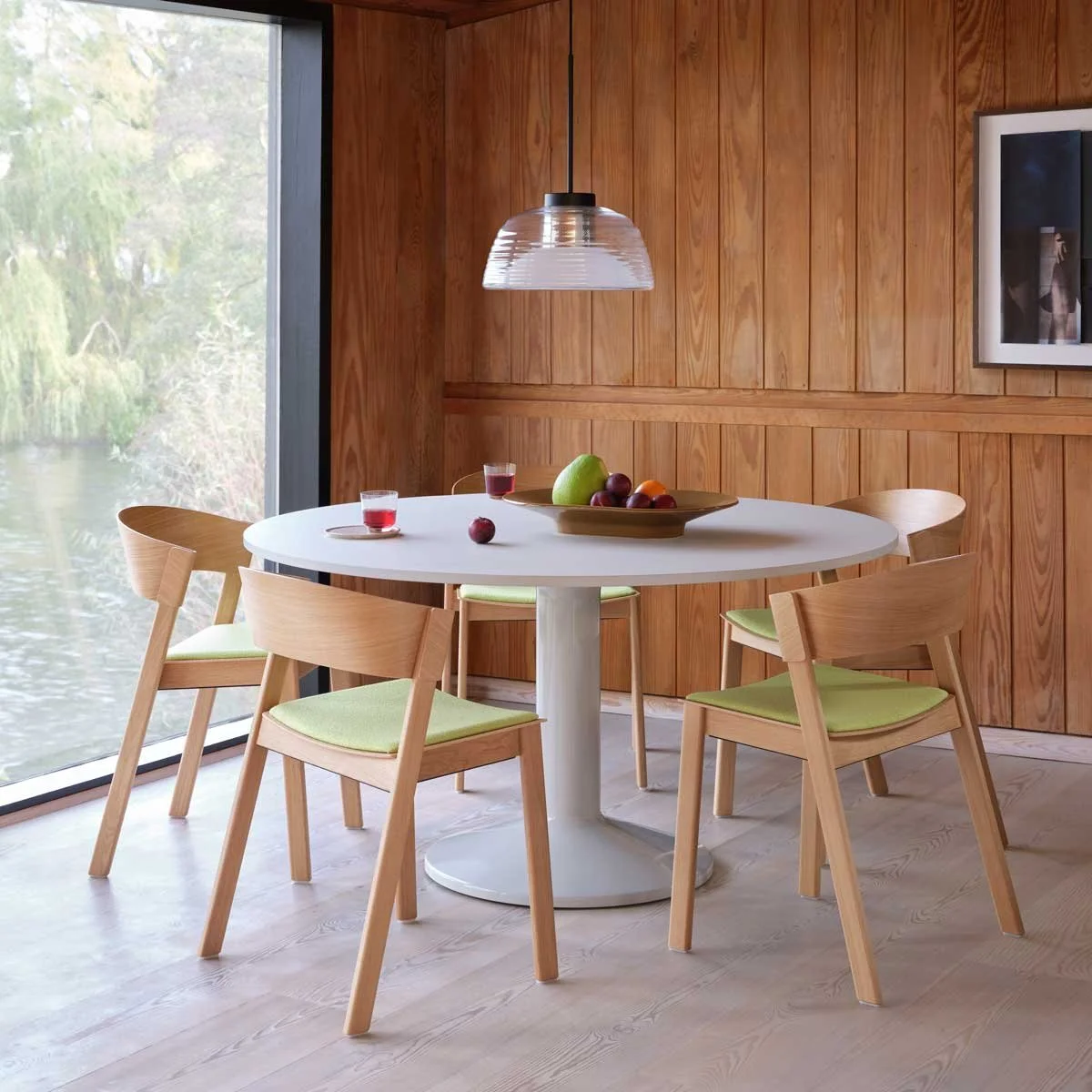
Round dining tables
Round tables offer a more compact and flexible alternative, particularly suited to smaller or square spaces.
They provide:
Easier movement around the table
More equal seating positions
A softer, less formal feel.
Without corners, round tables allow for better flow in tighter areas and can make a room feel more open.
They also encourage conversation, as all diners are positioned at an equal distance from one another.
Round tables in particular pair well with Kvadrat rugs, reinforcing the shape and creating a more cohesive dining setting.
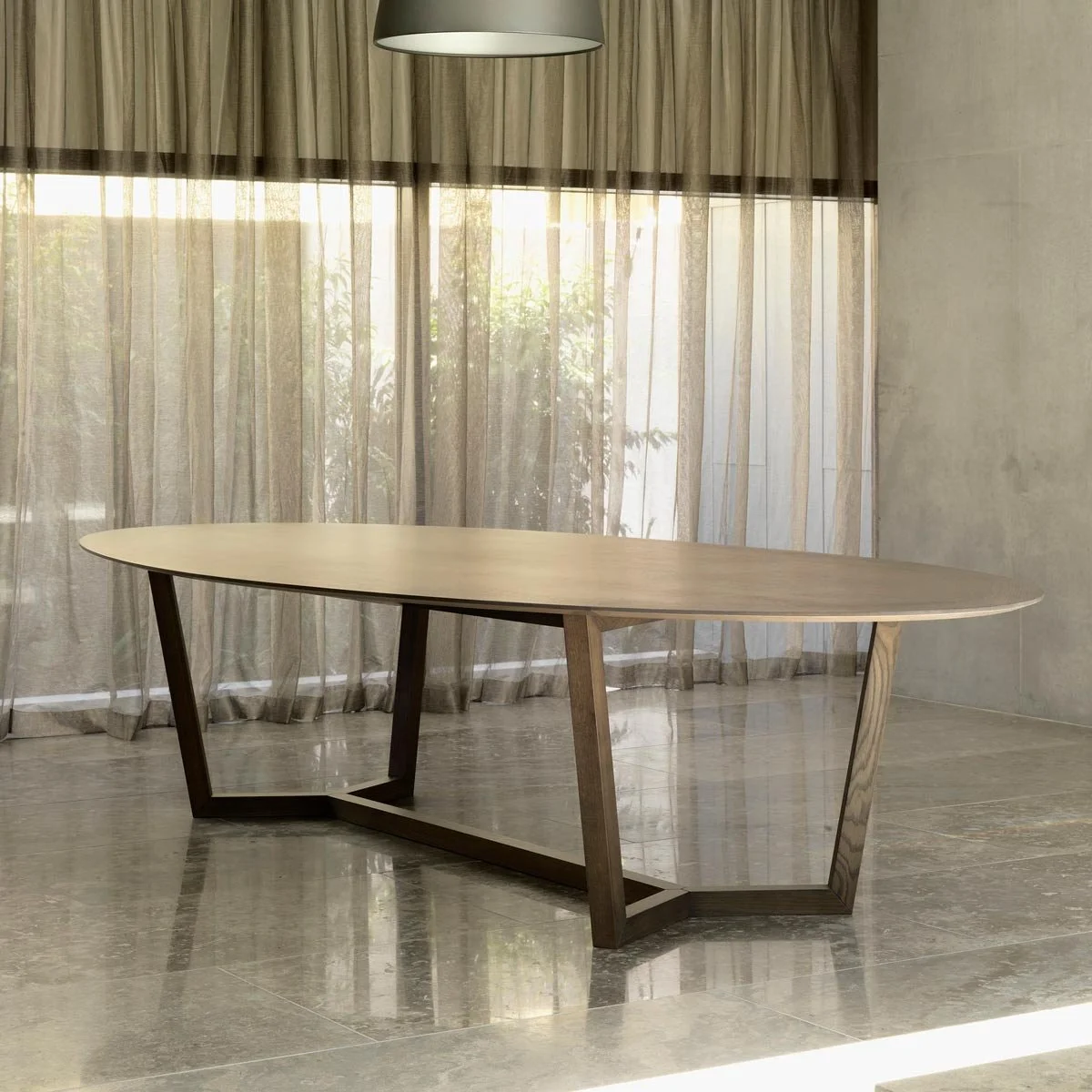
Oval dining tables
Oval tables sit between round and rectangular forms, offering a balance of both.
They combine:
The seating capacity of rectangular tables
The softer edges and improved flow of round tables.
Oval tables are particularly effective in spaces where you want to maximise seating while reducing the visual heaviness of a rectangular form.
Choosing the right shape for your layout
The best table shape depends largely on the proportions of your room.
Long, narrow rooms – Rectangular tables typically work best
Square rooms or compact spaces – Round tables improve flow and usability
Open-plan areas – Rectangular or oval tables help define the dining zone
Maintaining adequate clearance around the table is essential, regardless of shape, to ensure comfortable movement and usability.
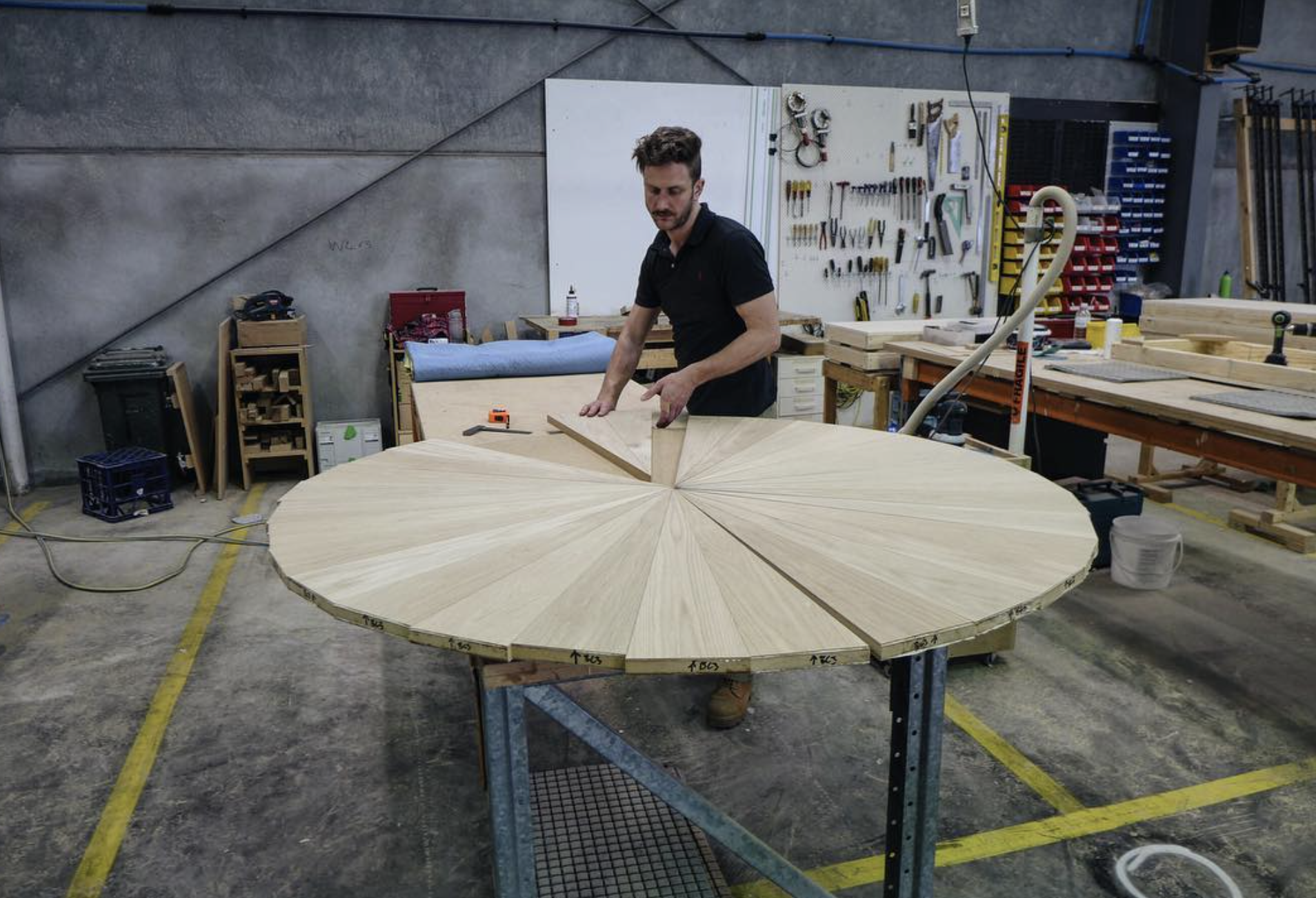
Custom dining tables for Australian homes
Australian-made dining tables offer the flexibility to tailor both size and shape to your space.
This includes:
Adjusting length and width
Selecting timber species and finishes
Choosing base designs that suit seating and legroom
Customisation allows you to choose the most appropriate shape while ensuring the table fits proportionally within your room.
Material and design considerations
Beyond shape, the material and finish of a table influence how it sits within a space.
Timber tables bring warmth and texture, with Australian hardwoods such as oak and ash offering durability and natural character.
The combination of shape, material and finish should work cohesively with surrounding furniture, lighting and flooring.
Finding the right dining table
There is no single ‘best’ shape, only the one that works most effectively within your space.
By considering room proportions, circulation and how the table will be used, you can select a piece that feels both functional and balanced.
For sizing guidance, see our dining table size guide, or explore Australian timber tables for custom options.
Explore our collection of Australian-made dining tables, or contact us to discuss custom options tailored to your space.