
 Image 1 of 5
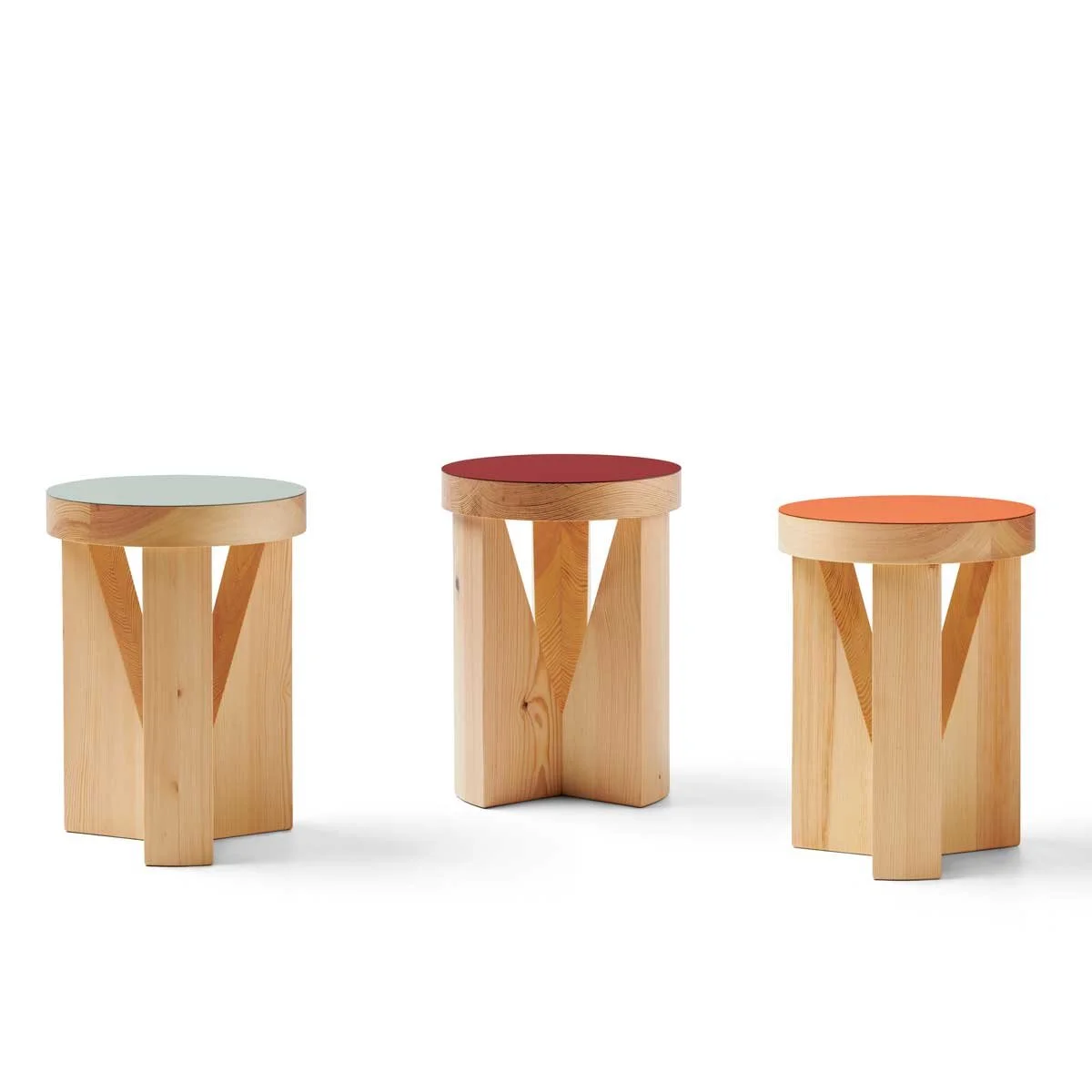 Image 2 of 5
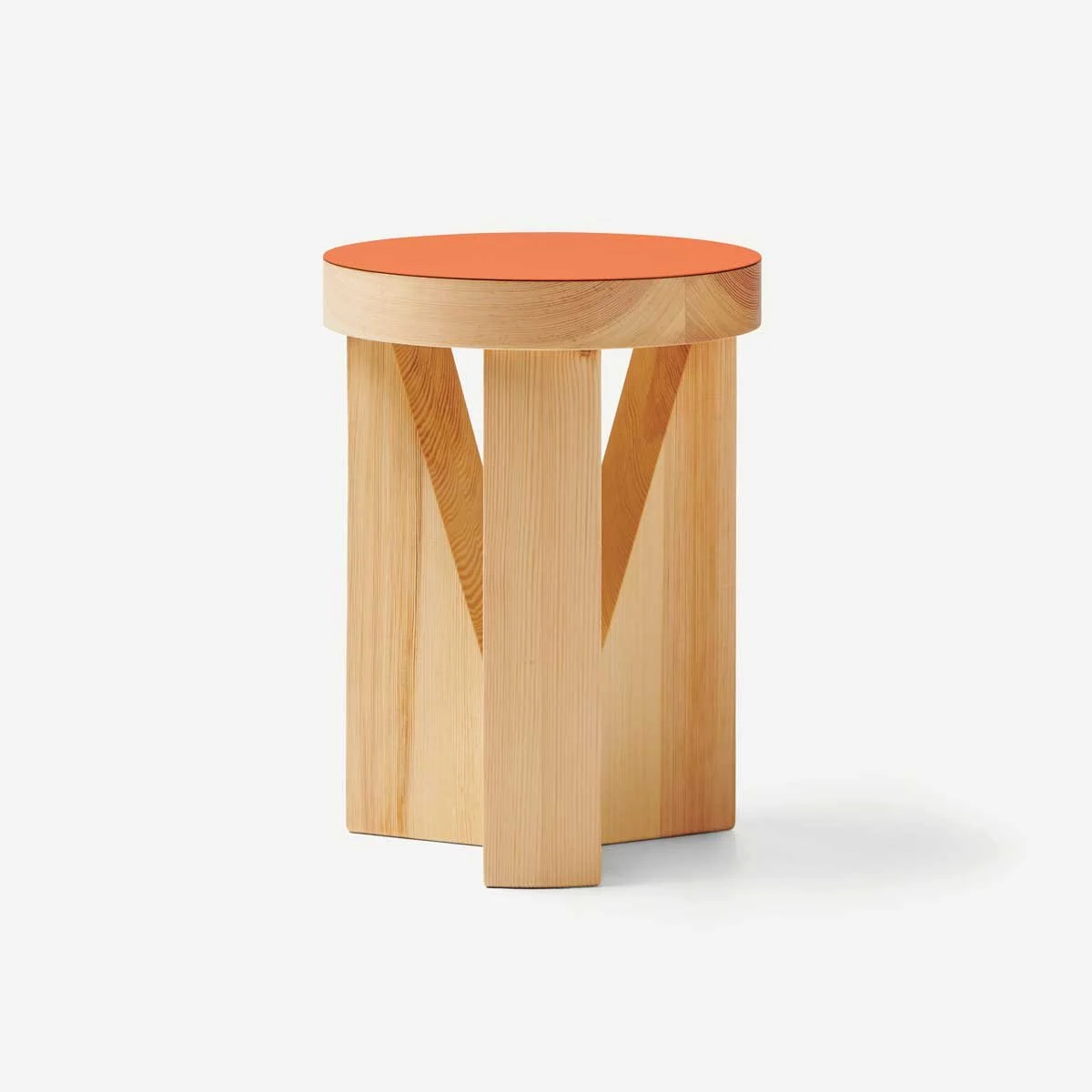 Image 3 of 5
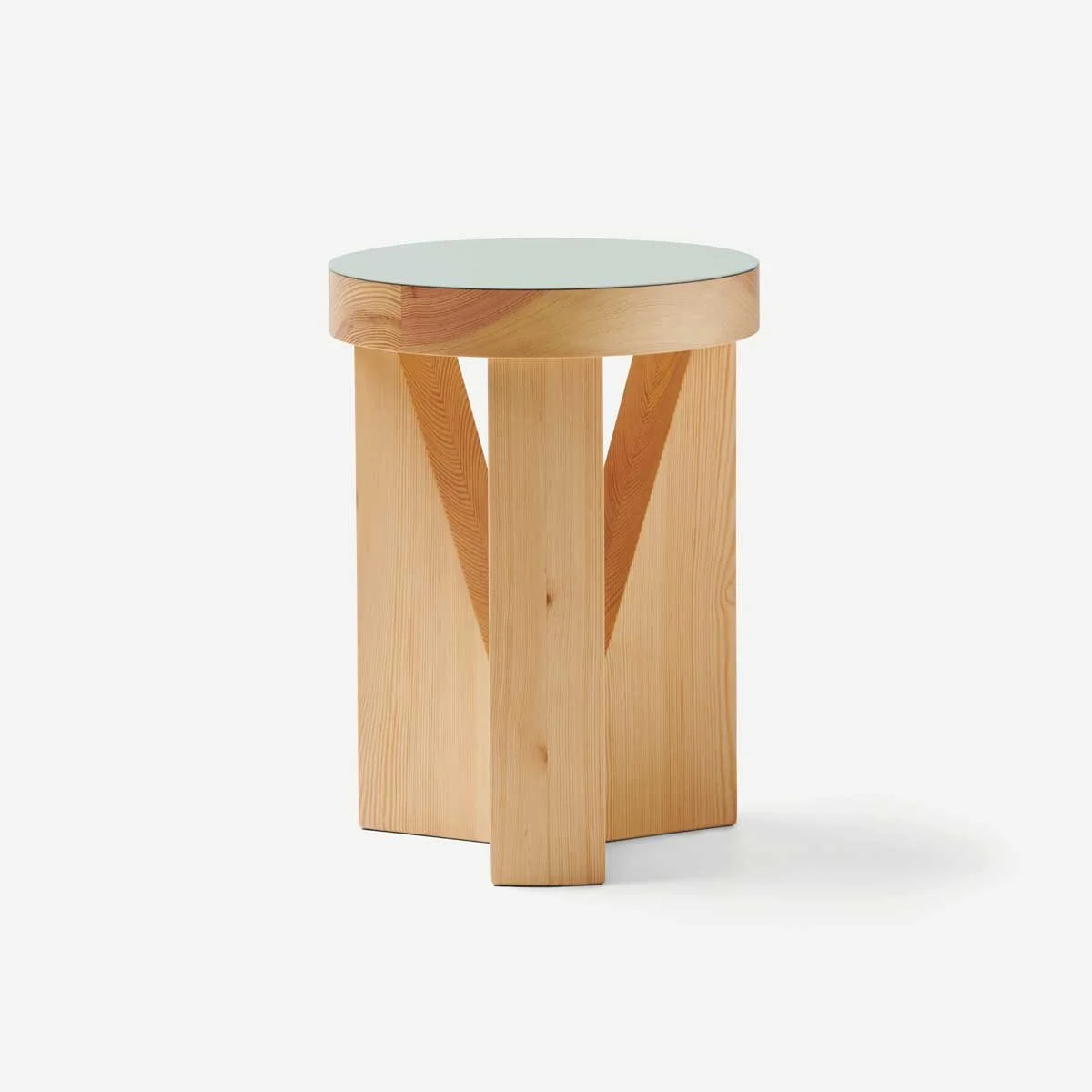 Image 4 of 5
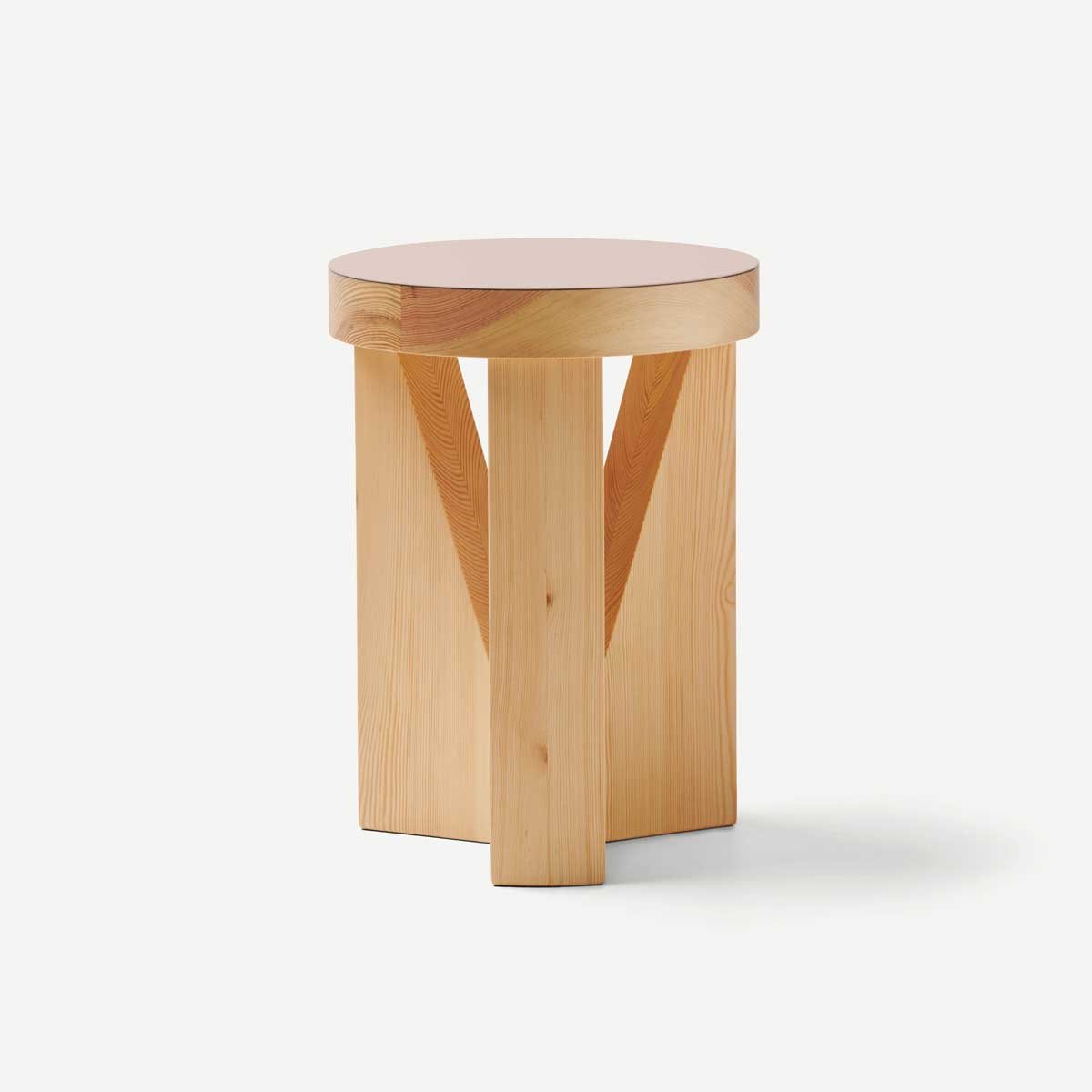 Image 5 of 5
Cugino Soft Stool – Mattiazzi
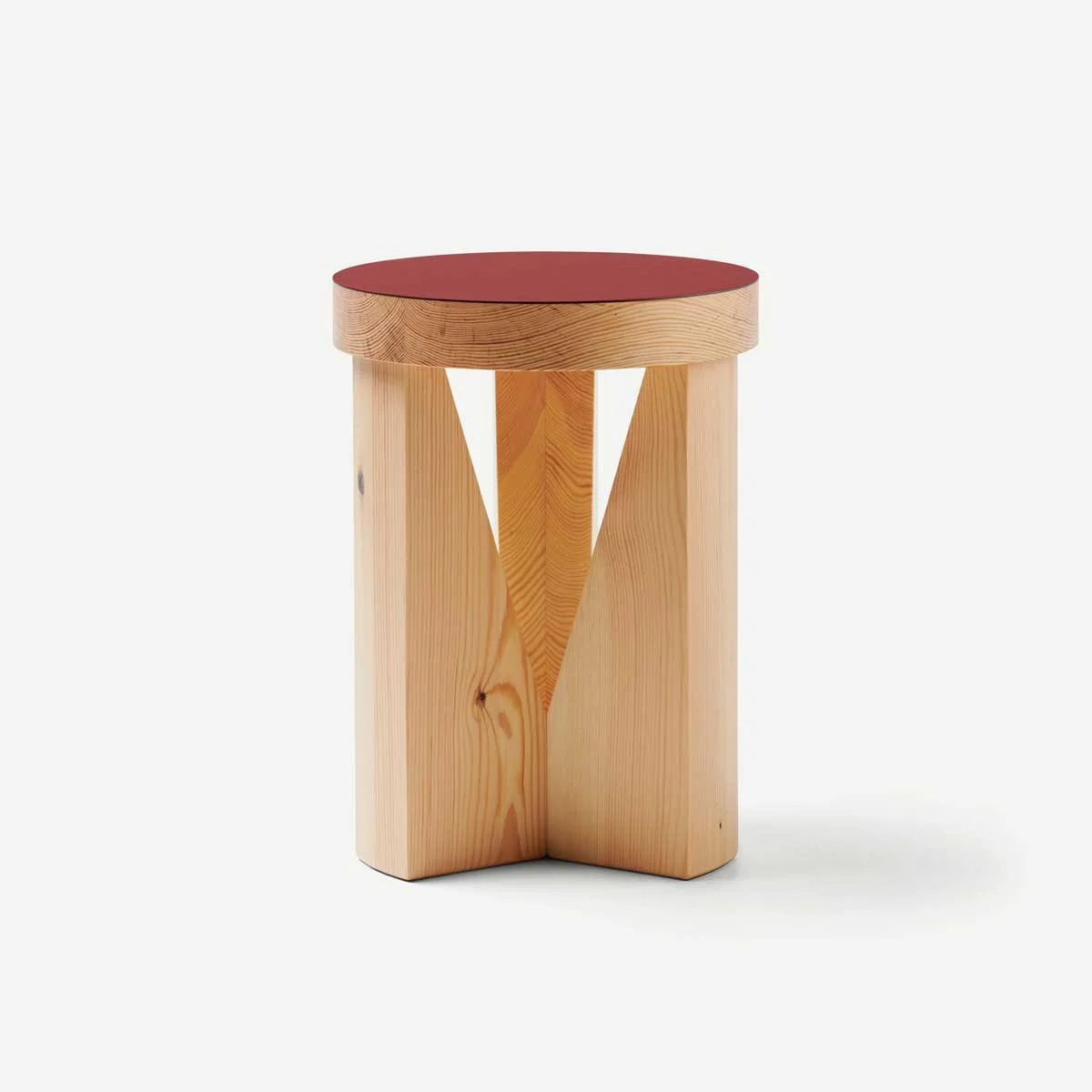
Cugino soft extends the idea behind the original Cugino, offering the same clear geometry with a different material expression.
Where the original is defined by solid oak, Cugino soft is made from solid pine. The material shift brings a lighter, softer character. The grain is more subtle, the weight reduced, and the overall presence more relaxed. Pine is also more readily available, making this version more accessible while remaining considered in its production.
The form stays the same. Proportion, profile and construction follow the original design exactly. What changes is how it feels and how it is used.
The circular seat is finished with coloured linoleum, adding a tactile surface and a note of colour. This detail gently shifts its function. While still a stool, it can just as easily work as a compact side table.
Cugino soft is not a replacement, but an alternative. It shares the same design language as the oak version, while offering a different set of qualities.
Cugino soft extends the idea behind the original Cugino, offering the same clear geometry with a different material expression.
Where the original is defined by solid oak, Cugino soft is made from solid pine. The material shift brings a lighter, softer character. The grain is more subtle, the weight reduced, and the overall presence more relaxed. Pine is also more readily available, making this version more accessible while remaining considered in its production.
The form stays the same. Proportion, profile and construction follow the original design exactly. What changes is how it feels and how it is used.
The circular seat is finished with coloured linoleum, adding a tactile surface and a note of colour. This detail gently shifts its function. While still a stool, it can just as easily work as a compact side table.
Cugino soft is not a replacement, but an alternative. It shares the same design language as the oak version, while offering a different set of qualities.
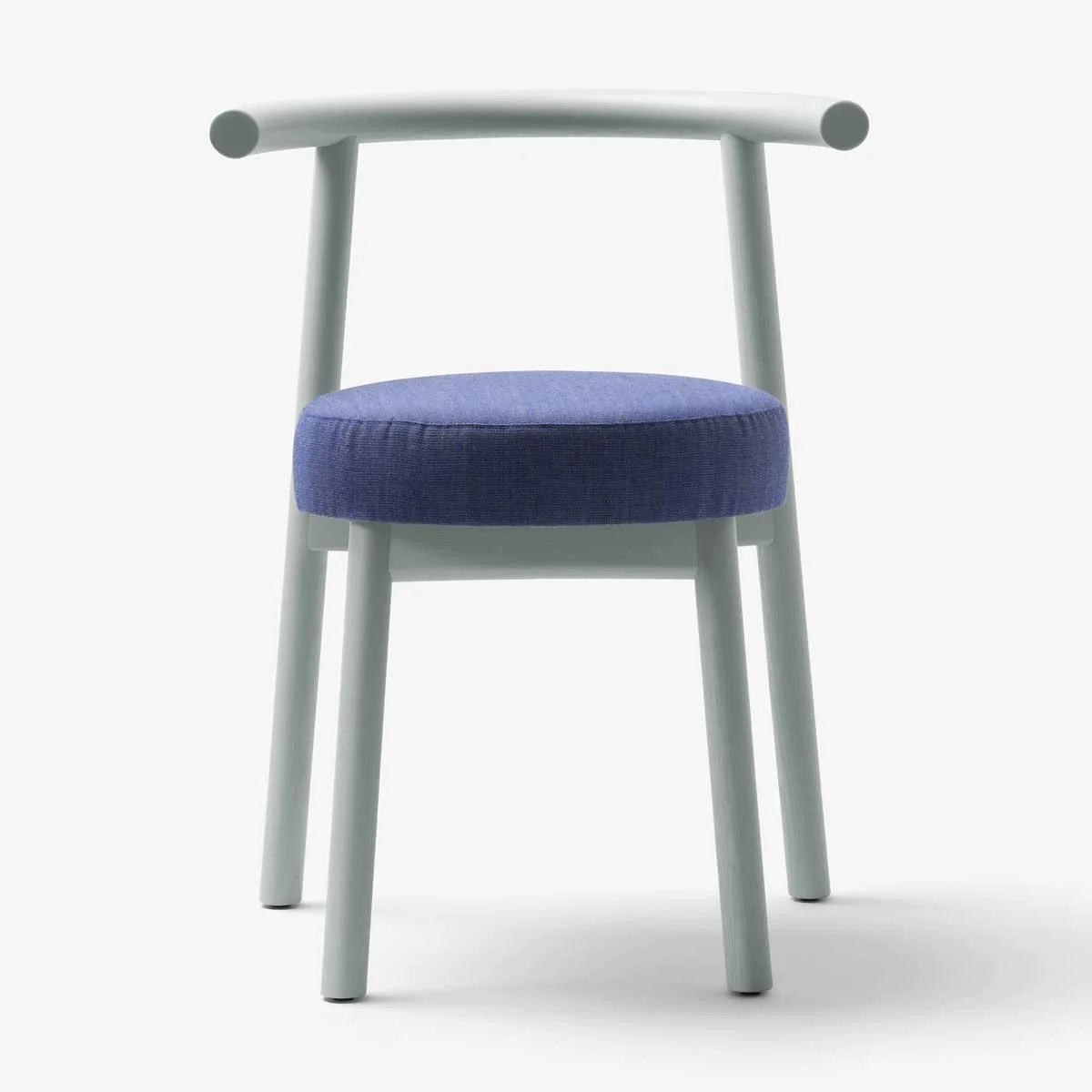
This robust yet simple and refined furniture family was designed for use in cafés and restaurants, and therefore was created with flexibility in mind – both in use and in the variations offered.
The Solo Chair Soft is designed to be super comfortable. Its generous proportions and deep cushions are expressing just that when you first see it. At the same time, the chair is quite simple and geometric. Picture it as a reading chair at home or being placed in public spaces, such as hotel lobbies or lounge areas. It would make the perfect chair for waiting, relaxing, and conversing.
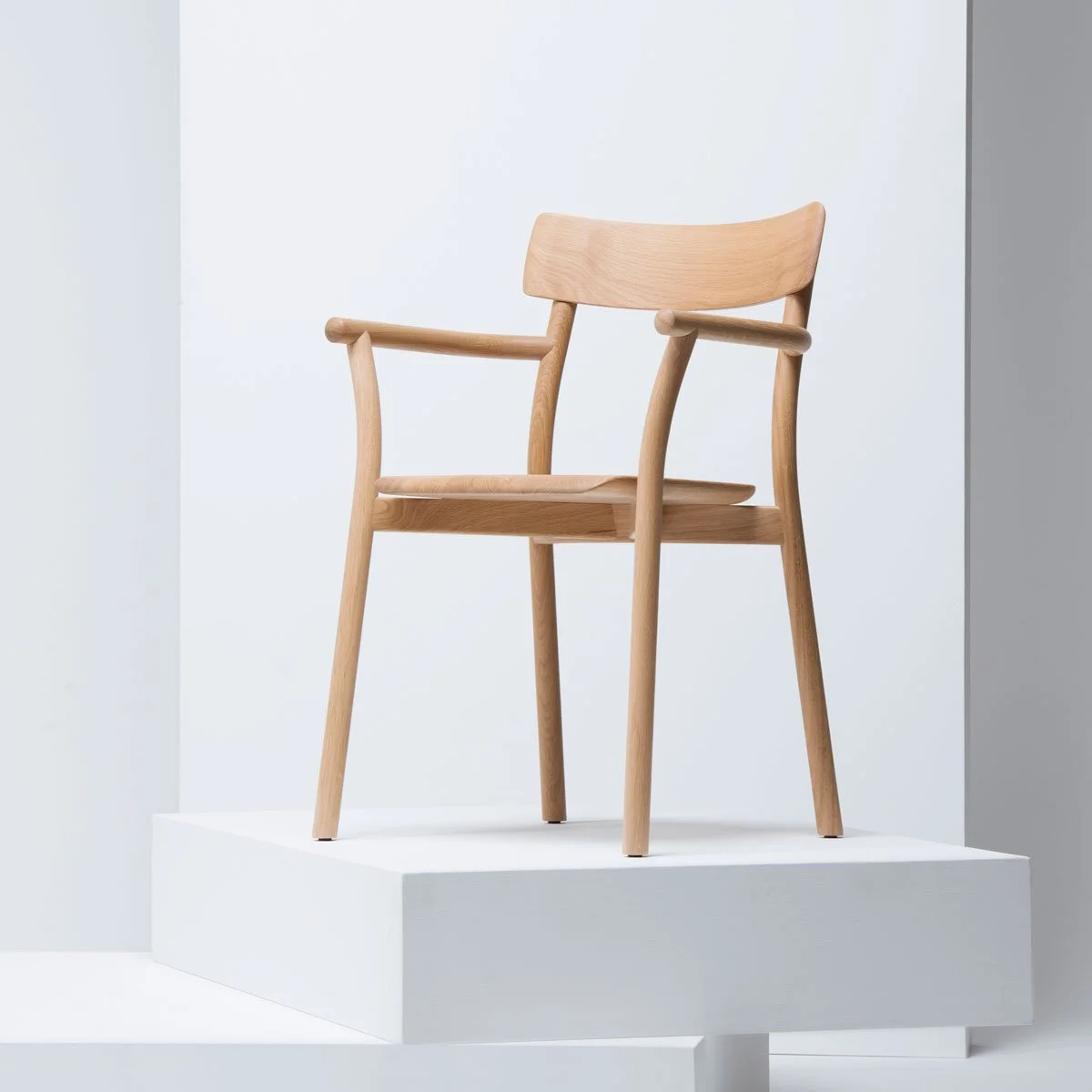
As with many words, Chiaro has several definitions: clear, bright, and straight-forward.
Sophisticated manufacturing technology and handcraft give Mattiazzi the rare ability to shape wood in almost any form. Although Leon Ransmeier was extremely tempted to explore those boundaries, Chiaro is not a radical chair. The connections between the parts are direct and uncomplicated, and the structure under the seat (perhaps the most unique aspect of the design) evolved from an intention to simplify the joinery while reducing the total number of parts.
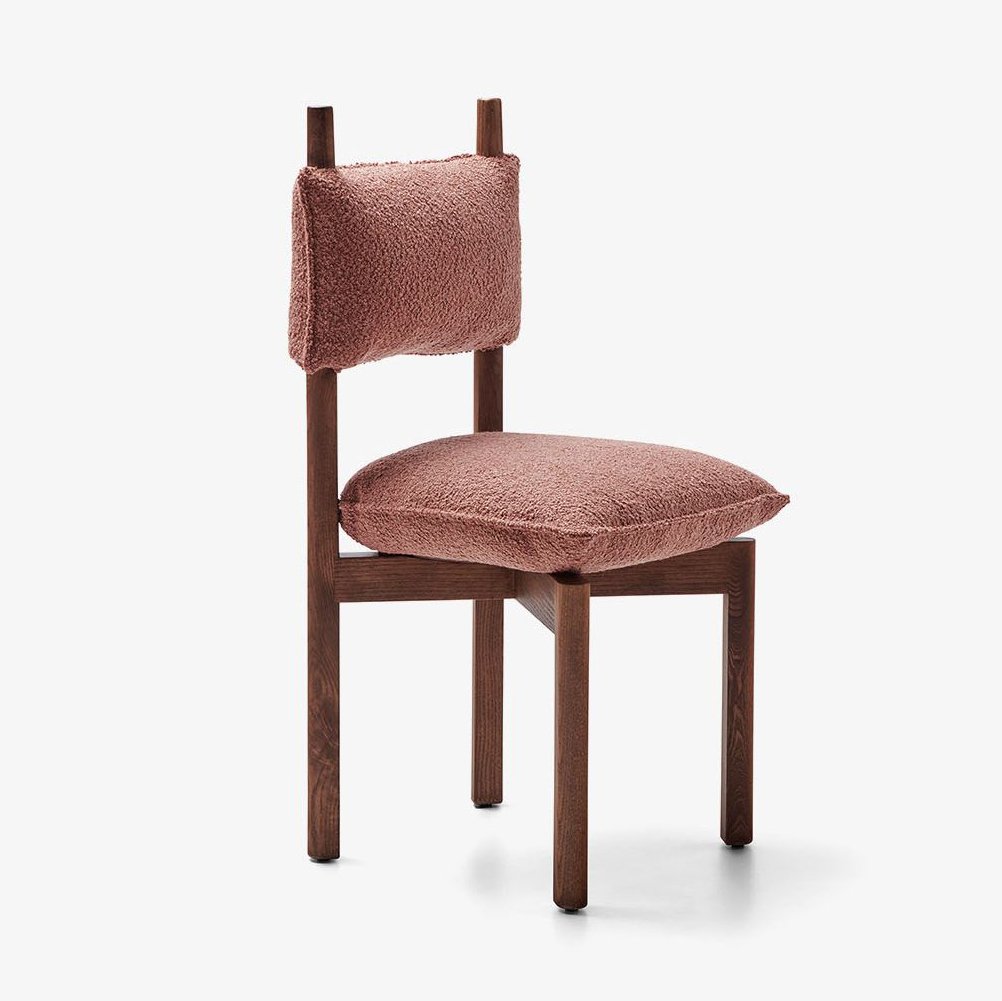
Introducing the Paf Paf chair, designed by Marialaura Irvine in collaboration with Mattiazzi. The challenge was to create an upholstered chair that respected Mattiazzi’s expertise in woodworking while incorporating a soft and inviting feel. By balancing the two concepts of wood and upholstery, perfection and imperfection, rigidity and softness, Paf Paf was born.
The chair’s comfort is derived from recycled feathers and fabric providing a soft cloud-like feel that fits into a solid wooden structure.
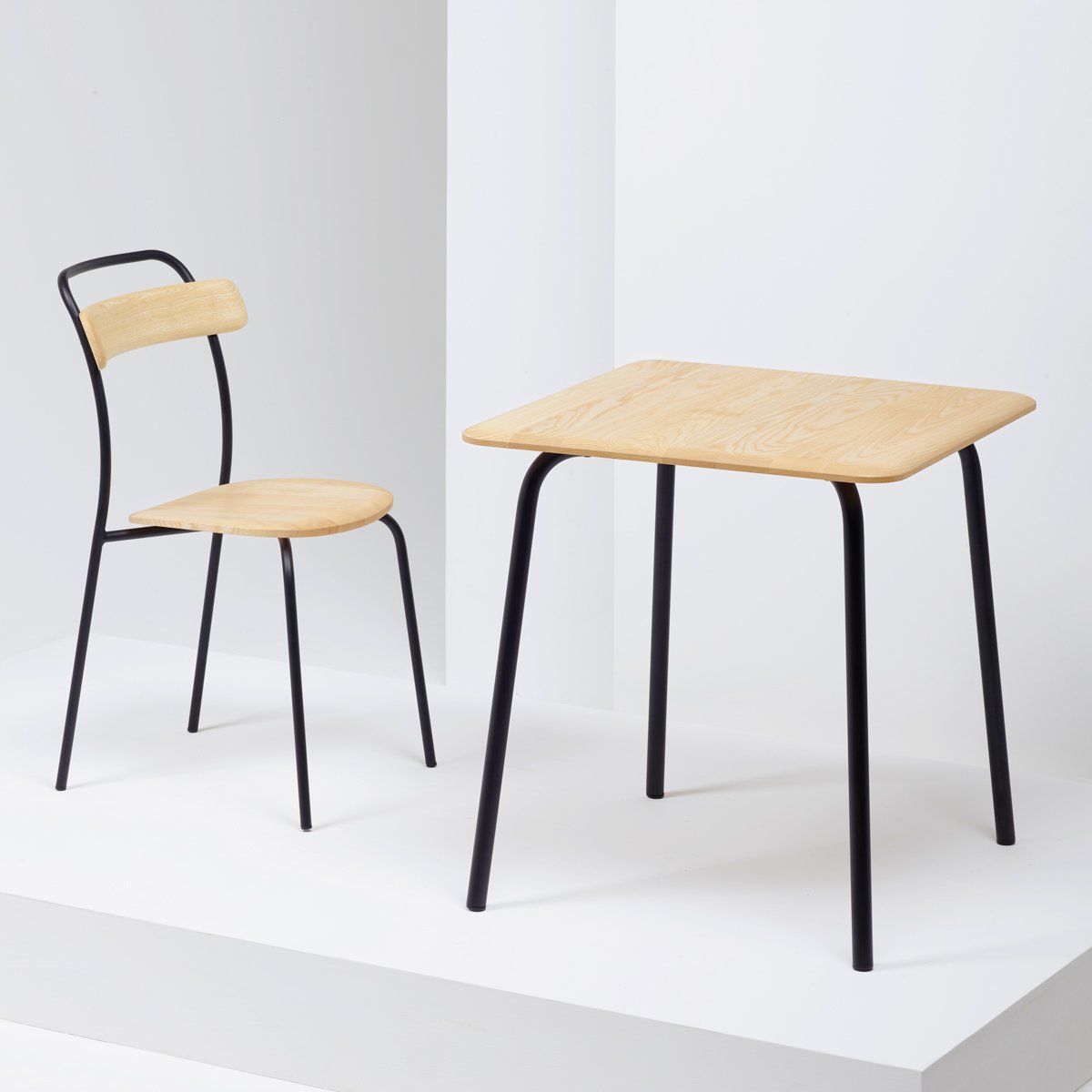
The Forcina collection has a feminine, pragmatic character. From the outset, Forcina was considered within the context of a cafe or a restaurant. Historically cafe chairs often have a curvilinear form, perhaps influenced by the iconic history of Viennese Cafe furniture or the sweetness of the pastries served.
The Forcina family includes a chair, armchair, square and round tables, low stool, and a bar stool.
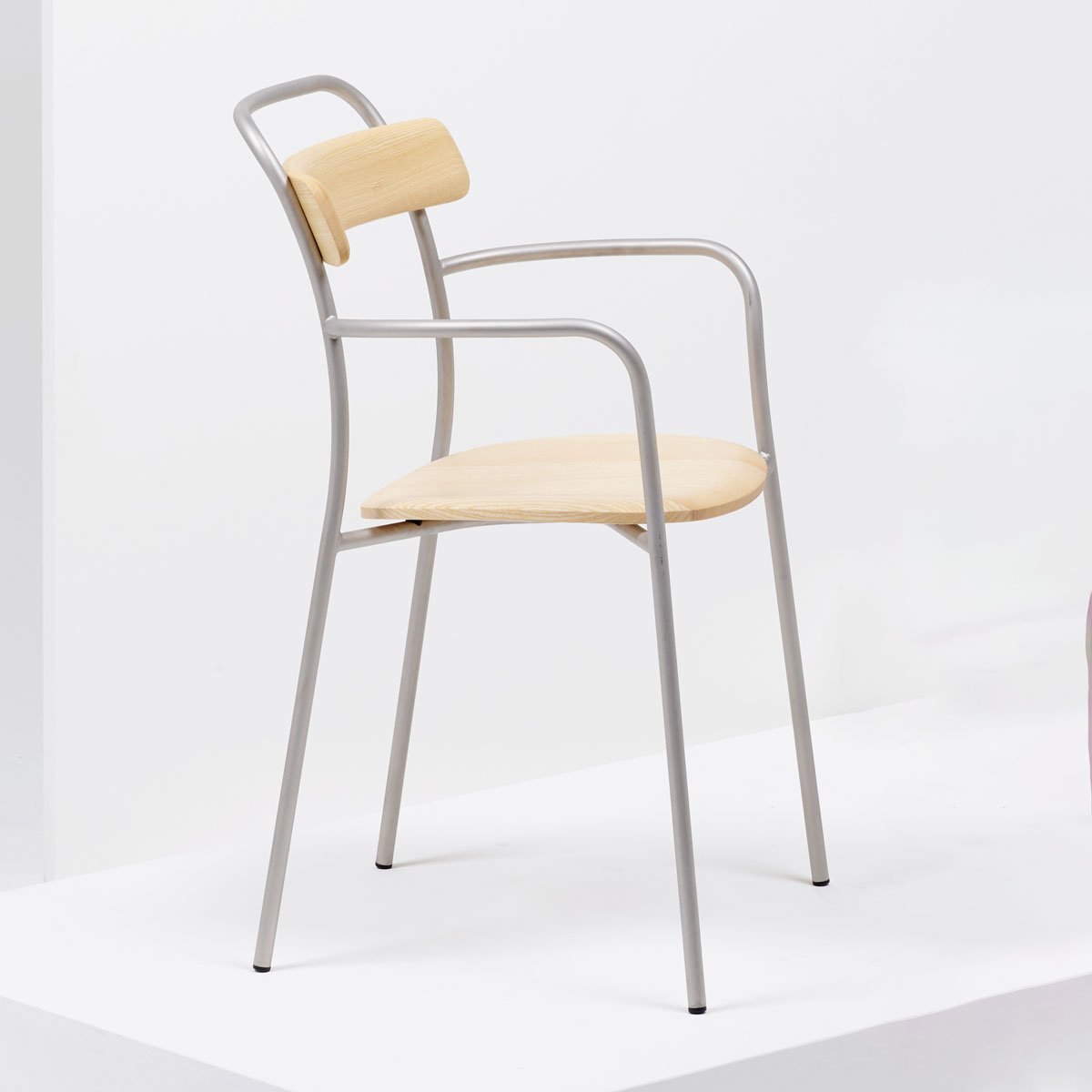
The Forcina collection has a feminine, pragmatic character. From the outset, Forcina was considered within the context of a cafe or a restaurant. Historically cafe chairs often have a curvilinear form, perhaps influenced by the iconic history of Viennese Cafe furniture or the sweetness of the pastries served.
The Forcina family includes a chair, armchair, square and round tables, low stool, and a bar stool.
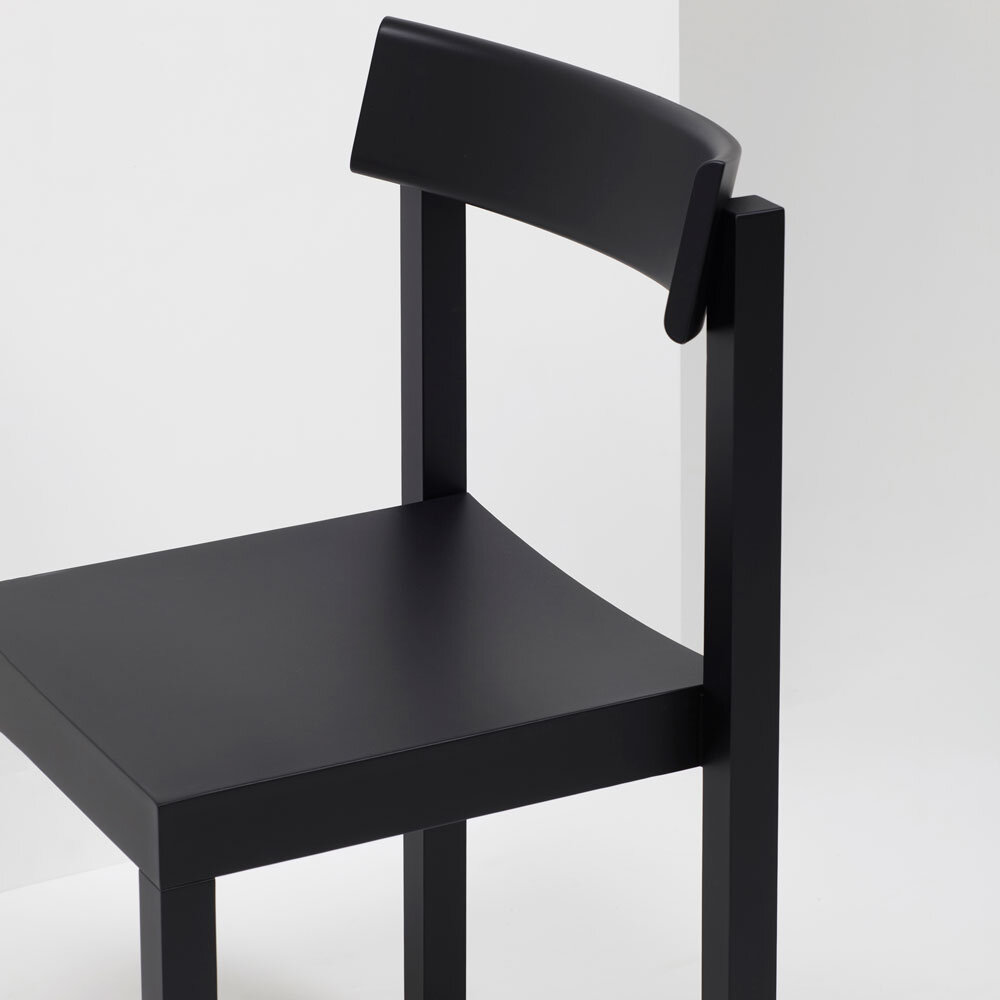
The Primo chair is created with only the most basic elements: four legs, a seat, and a backrest. The straight leg gives the chair a strong architectural presence. However, the formal strictness is disrupted by the curved backrest which seems to levitate on the ends of the chair’s hind legs.
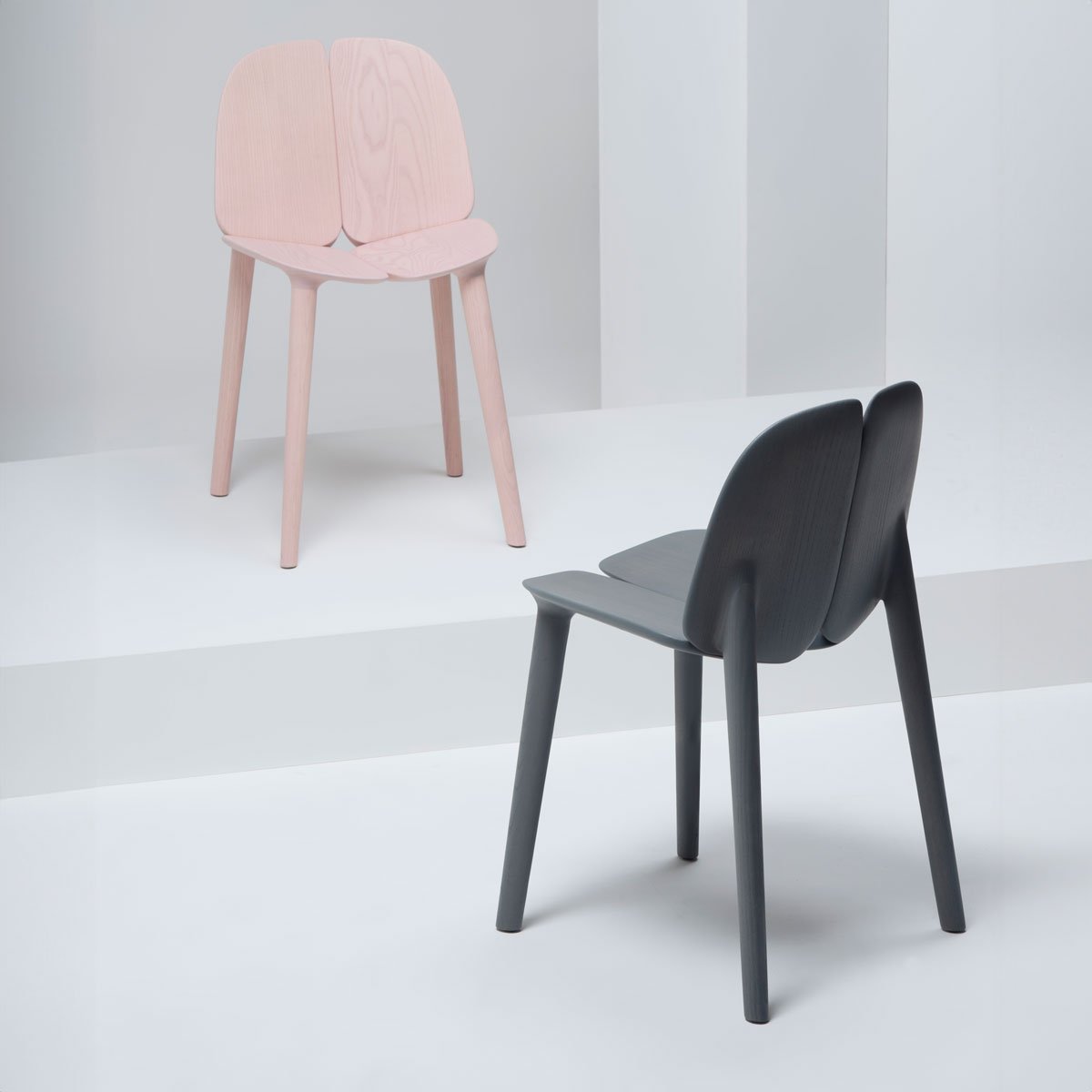
Osso illustrates Mattiazzi’s considered furniture production. Wood has a key role in Osso which invites to be touched in its sculpted and polished form, thanks to the use of highly sophisticated digital control equipment.
The Osso collection includes chairs, stools, and tables.

Introducing Seta, the new armless and stackable timber chair designed by Foster + Partners.
Made from sustainably sourced ash timber and crafted using CNC technology, each surface of the lightweight chair is precisely machined and curved to create a unique, soft geometry. The result is an inviting and approachable chair that offers maximum durability and flexibility, ideal for a variety of settings from commercial to domestic use.
With a deep understanding of the tools used in its creation, Seta brings together an honesty of materiality and an efficient design to offer a sustainable solution that perfectly balances form and function.
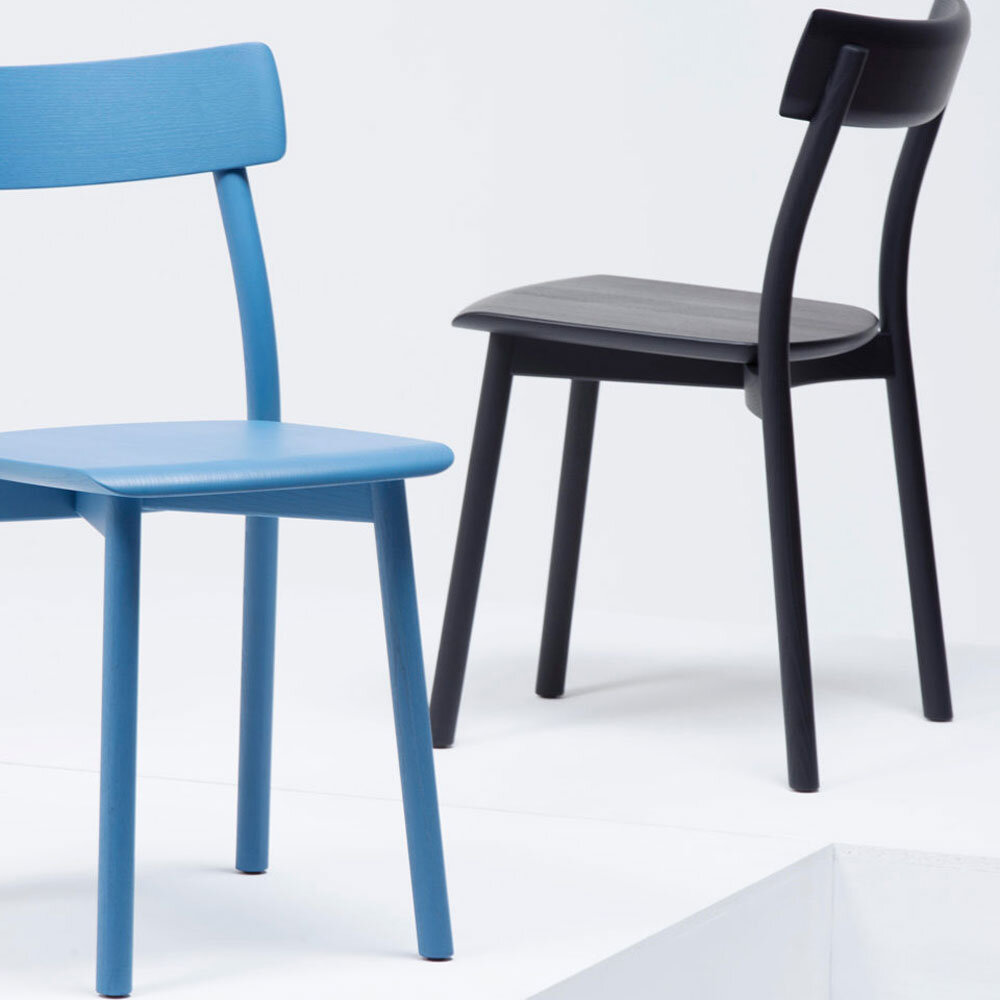
Stripping away unnecessary elements, the Chiaro uses simplicity and balance to create a unique and uncomplicated dining chair. The Chiaro chairs are available with or without armrests and both versions are stackable.
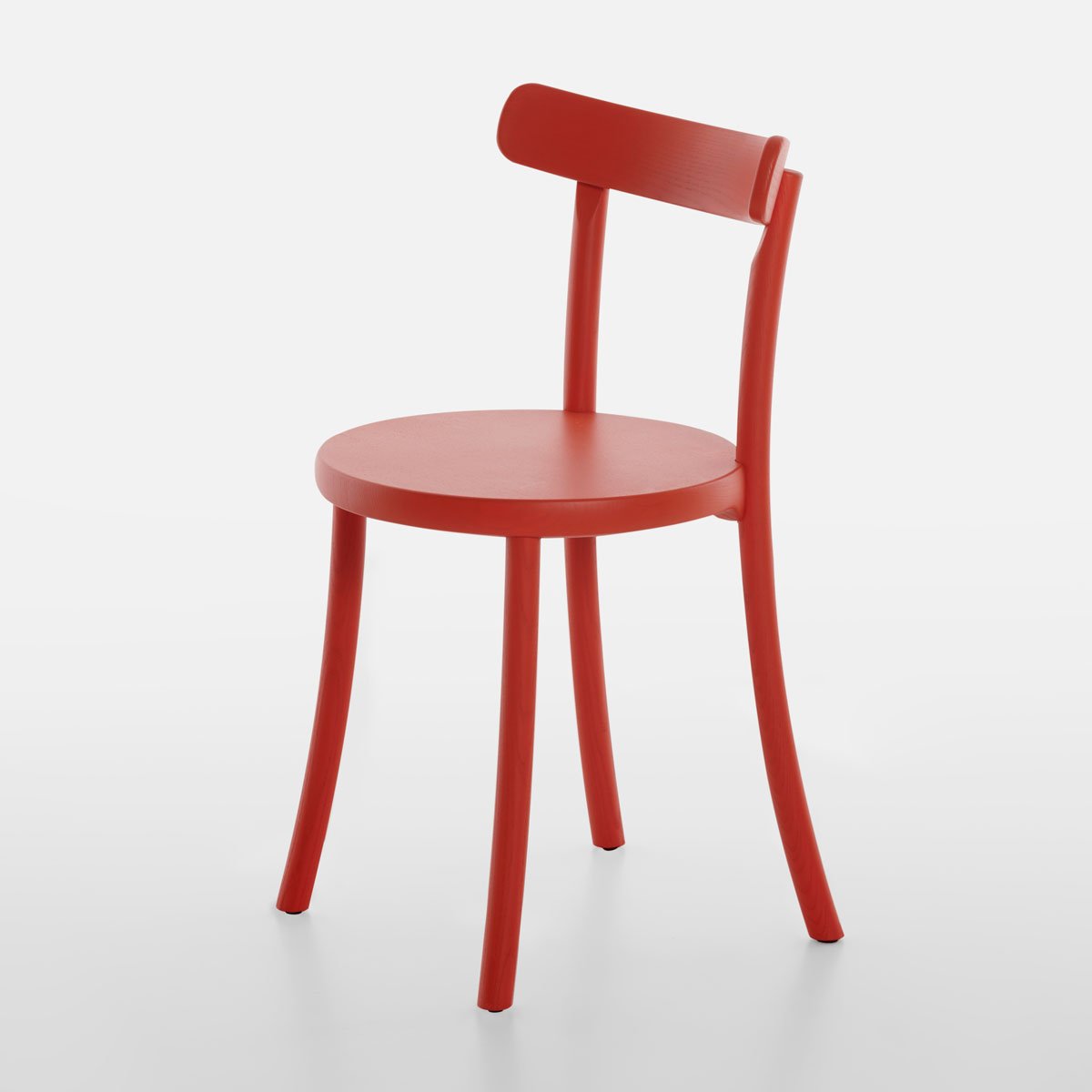
Zampa is a light, graceful chair with gently curving legs. It has only a few elements and a minimum of joins in keeping with the rigorous expectations of its designer, Jasper Morrison. Its round, flat seat is a technical achievement in that it is simply structured to provide some flex and therefore a surprising softness in how it sits.

Filo is a chair with a graphical sensibility that when seen from the side appears as an almost typographic letter. The repeating lines of the fabric cord extend this graphical presence, distorting subtly as the body sits down, giving a soft, personal form to the chair.
The Filo’s solid beech wood frame is designed to reduce wood wastage by finding the maximum strength from intelligent connections and construction. It finds balance by cleaning the structure to its maximum, yet at the same time keeping it strong, individual, unique, and special.
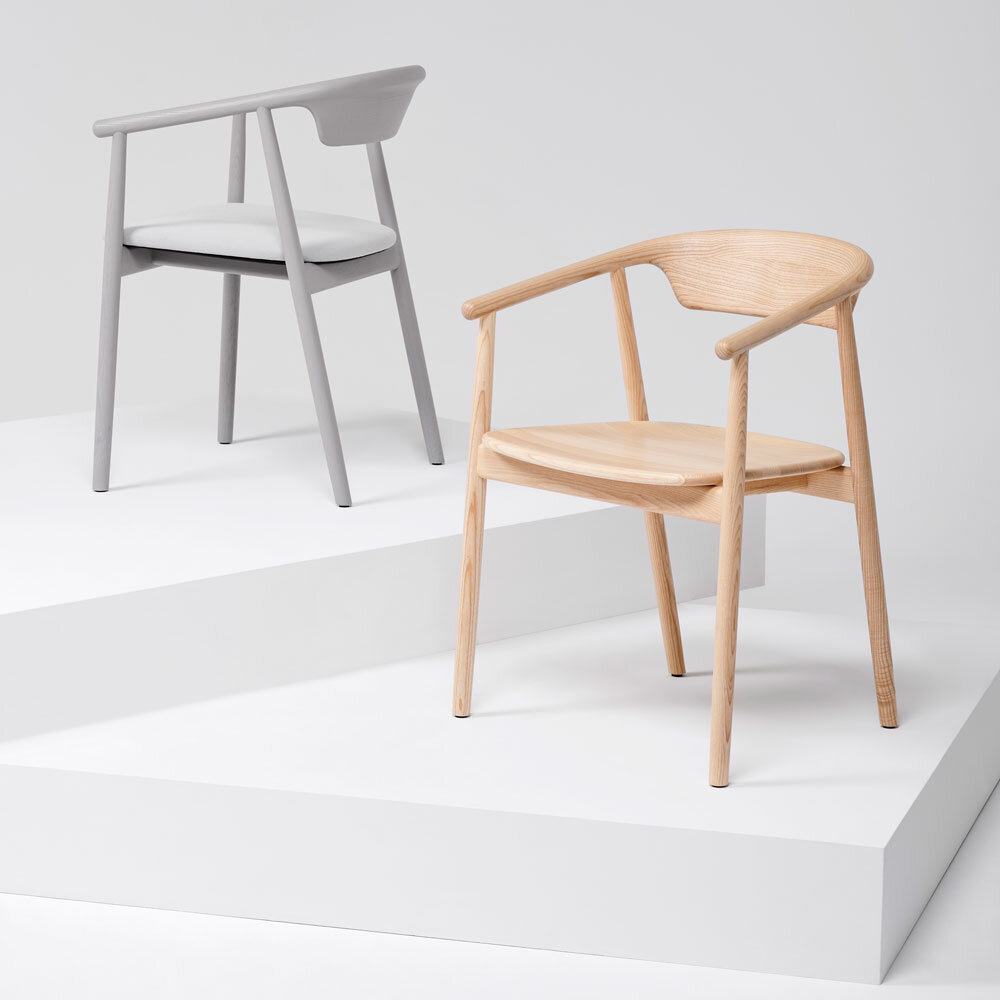
Inspired by the efficiency of the form and materiality of an oar, Foster + Partners’ Leva is designed ergonomically. Its steam-bent arms made of a single piece of machined timber, are slightly inclined, widening in the middle to form a comfortable, supportive backrest.
The sparing use of material is rooted in the idea of sustainability – to do more with less. Leva relies on Mattiazzi’s craftsmanship and sophisticated machinery to manufacture a wood chair that is quiet in numbers.

Branca is inspired by wooden branches that turn, twist, meet, and branch off. The result is comfortable to the eye, to the body, and to the hand. Like wooden branches of a tree, Branca is a chair that is familiar to the eye.
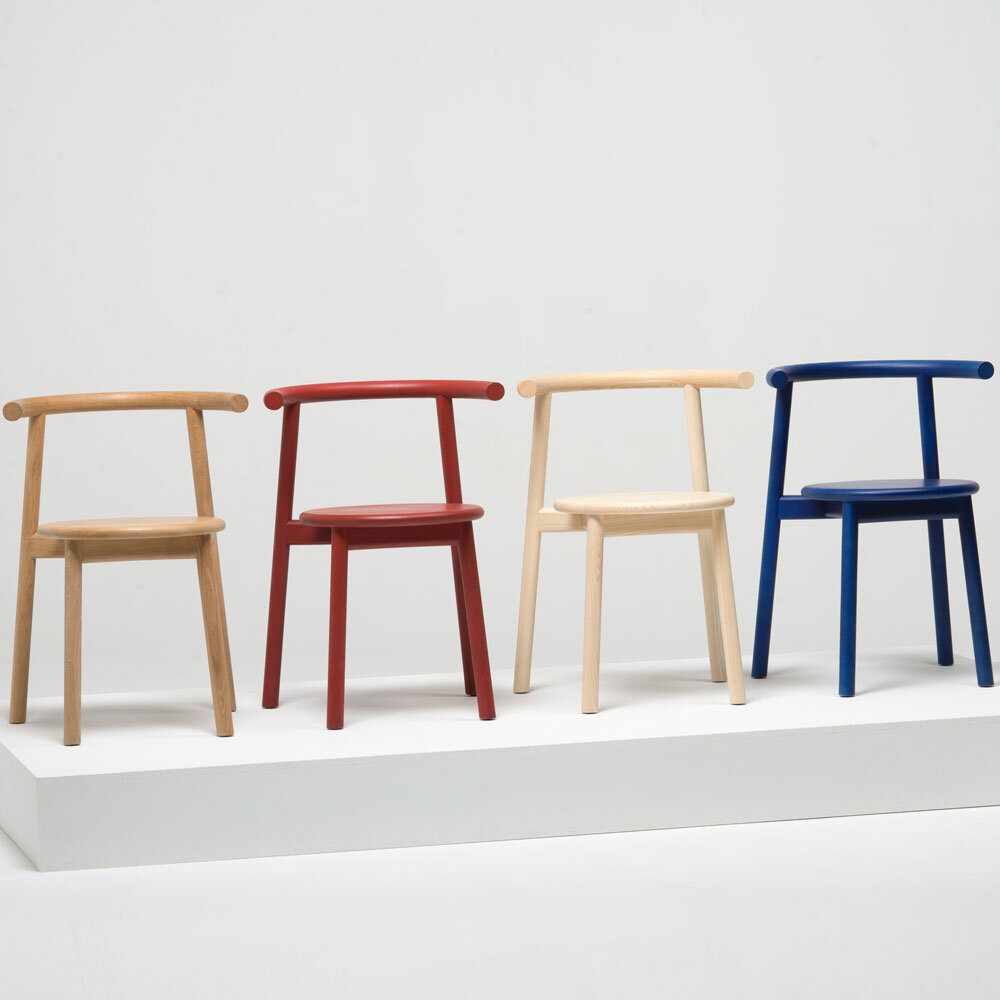
Solo upholds the quality handcrafted detail which defines the Mattiazzi collection. This robust yet simple and refined furniture family was conceived to be used in cafés and restaurants as well as in residential settings. Solo offers great flexibility – both in use and in the variations offered.
Simplicity is the key feature of the Solo chair, however Mattiazzi has created a nuanced chair which tunes the right details to form exactly the right character for the chair.
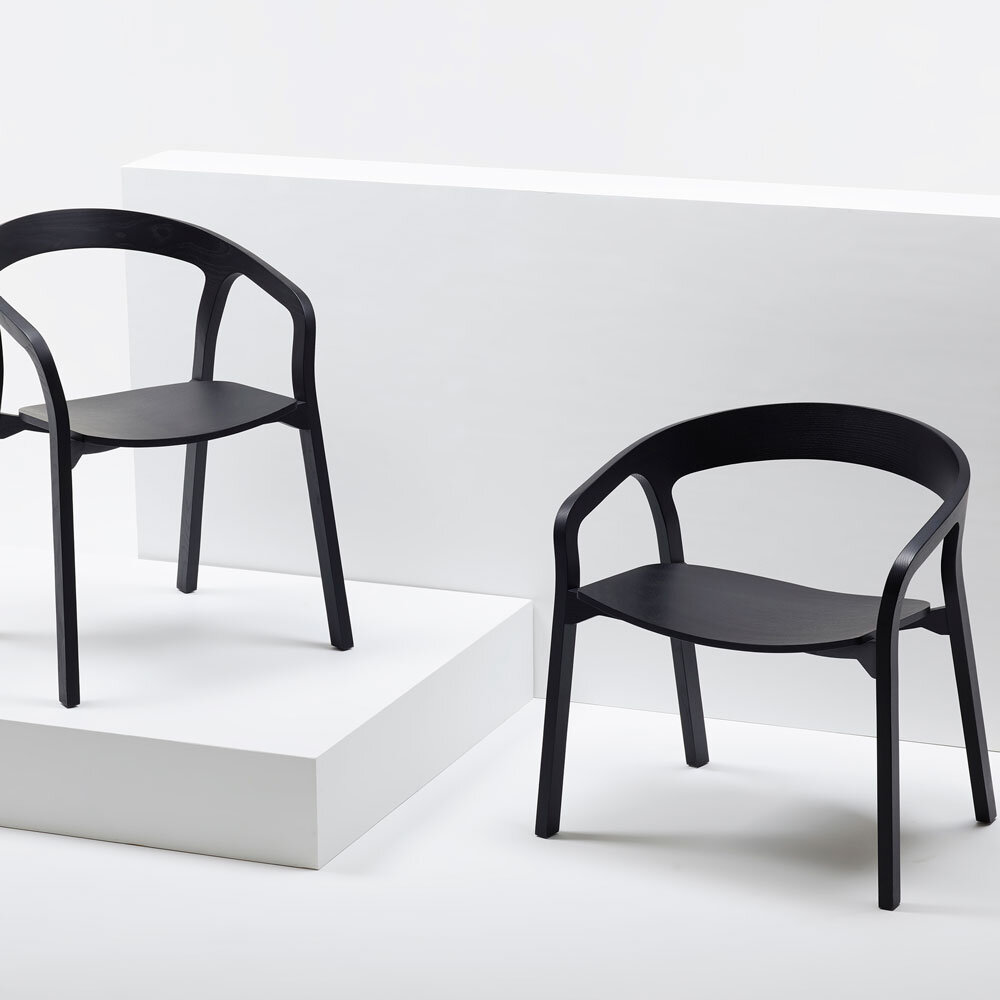
The She Said collection designed by Nitzan Cohen is an interesting project whereby chairs were designed with a masculine-feminine variation.
The She Said Chair reveals the sophistication of Mattiazzi’s manufacturing technologies with a mixture of high and low tech processes.
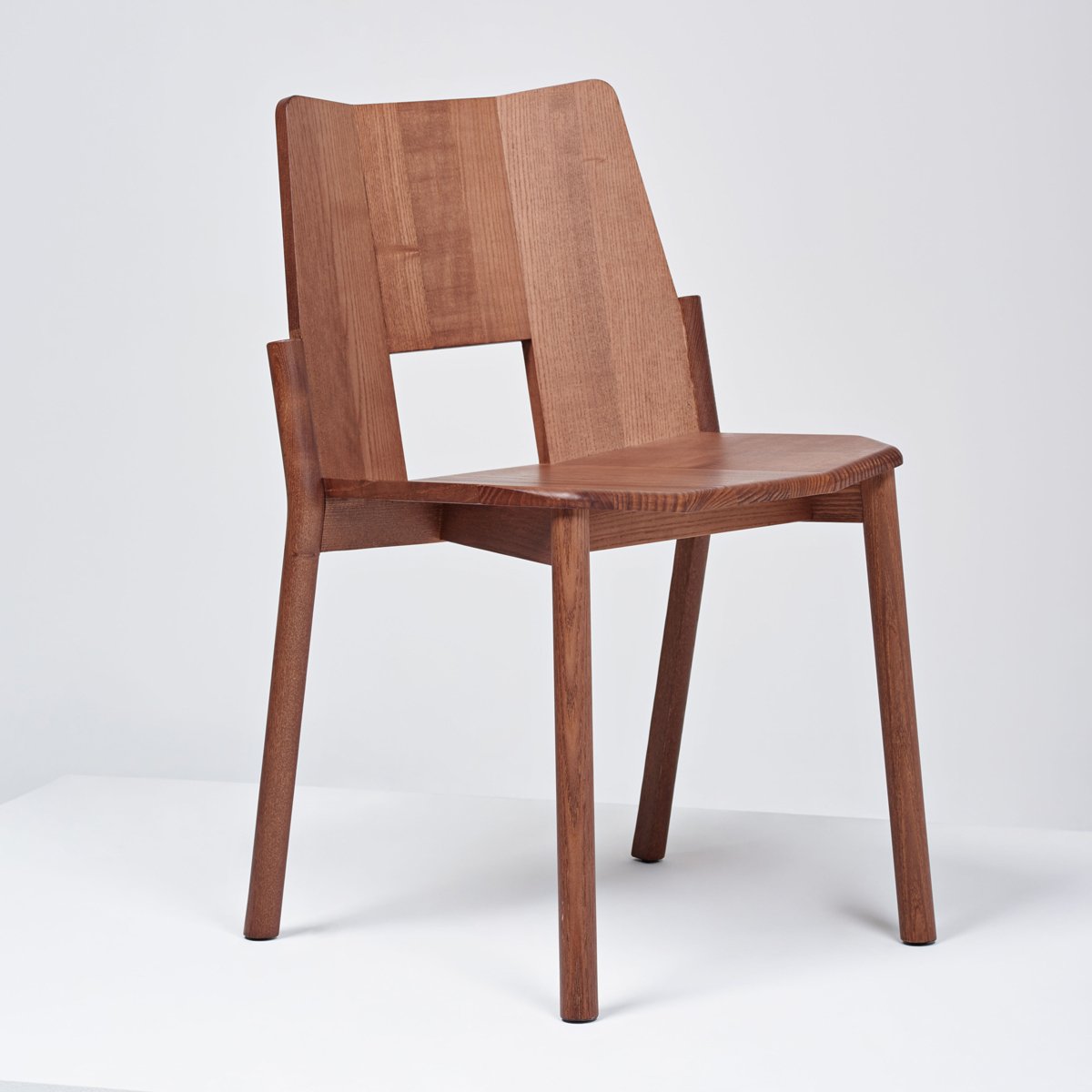
Tronco has a natural comfort and works well in multiples. With a modest form, the Tronco takes on the appearance of ‘texture’ when shown in numbers. Tronco, in effect, creates a terrain of its own in any architecture.
A range of coloured stains helps to bring out the ash grain and adds further dimension. Mattiazzi accompany the Tronco chair with a table, similarly made and chamfered at the edges so that it can join easily with others.
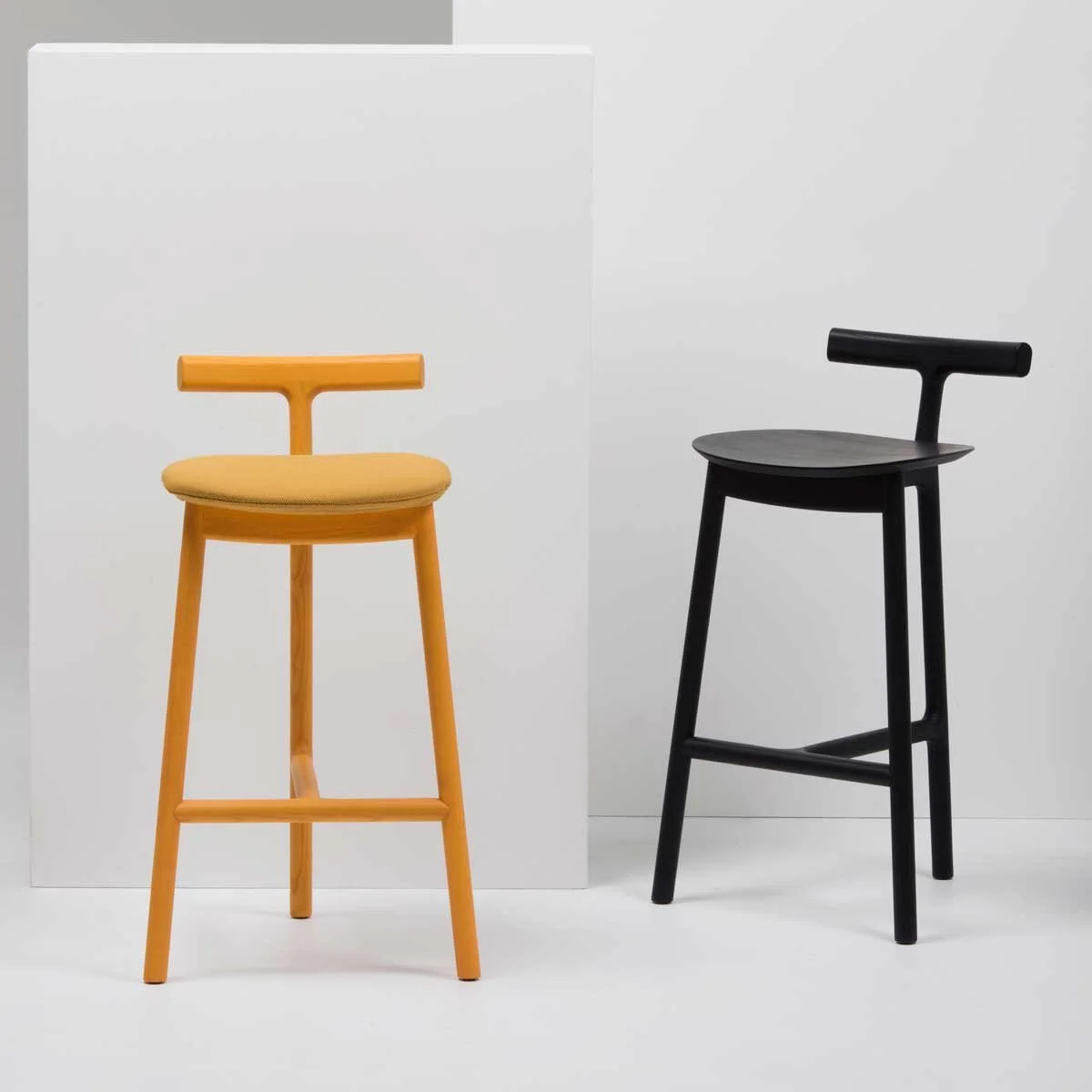
Radice is a three-legged wooden stool, the result of Industrial Facility and Sam Hecht's second collaboration with Italian furniture producer Mattiazz, the first being the Branca chair that reinvigorated our imagination of what is possible with wood production.
Hecht and the office of Industrial Facility decided to push Mattiazzi further into the exploration of robot craftsmanship, but this time to challenge structure as a diagrammatic concept, too. Radice finds its underlying beauty and simplicity in its structure. It is the bringing together of what appears the front half of a traditional four-legged stool, with a single back leg, the “root”. It is a visual improvisation, where two things meet unexpectedly.
It is light both visually and in weight, using no screws or metal fittings, yet also passing stringent BIFMA standards to ensure it is structurally sound, stable and reliable. The coloured wood stain options for Radice are based on the cycle of an autumn leaf turning colour.
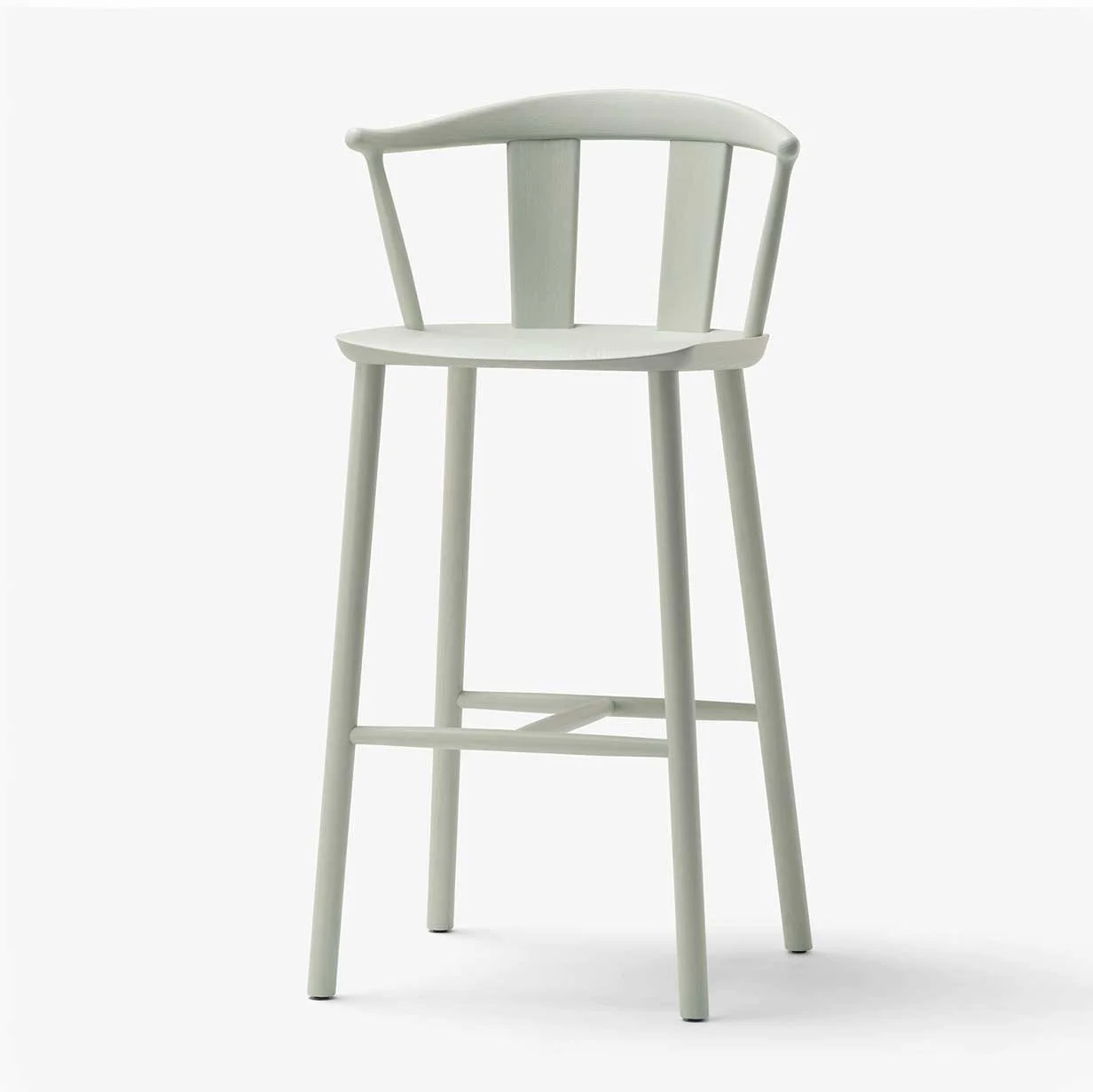
Stelo reimagines the classic Windsor chair through a contemporary lens.
Designed by Sam Hecht and Kim Colin of Industrial Facility, it draws on the historic model’s economic and adaptive structure, where parts are crafted separately and brought together, while embracing Mattiazzi’s advanced woodworking techniques.
The result is a stool that feels both familiar and fresh. Stelo balances tradition with innovation, offering a refined assemblage that suits a wide range of spaces. It’s designed to be appreciated from every angle, by the person sitting in it and by the room it inhabits.
Stelo is more than the sum of its parts. It’s a thoughtful reinvestment in a timeless typology, shaped for today.
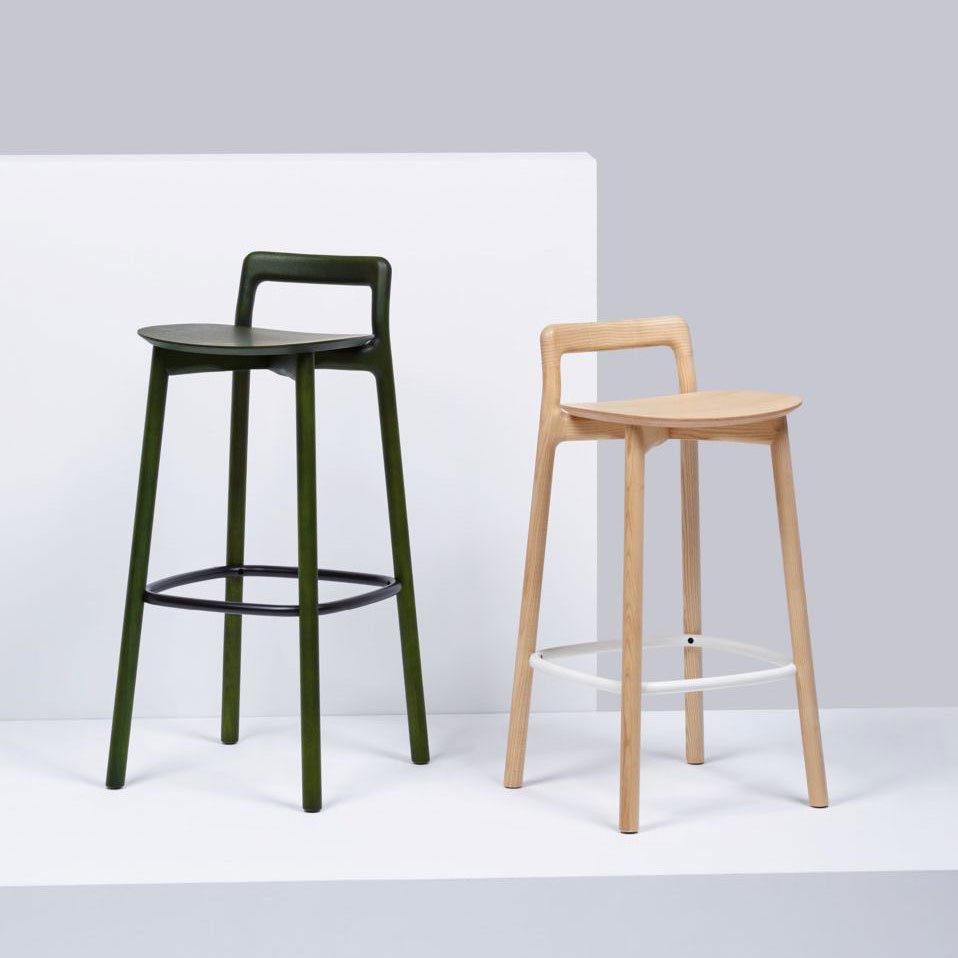
Branca is inspired by wooden branches that turn, twist, meet, and branch off. The result is comfortable to the eye, to the body, and to the hand. Like wooden branches of a tree, Branca is a chair that is familiar to the eye.
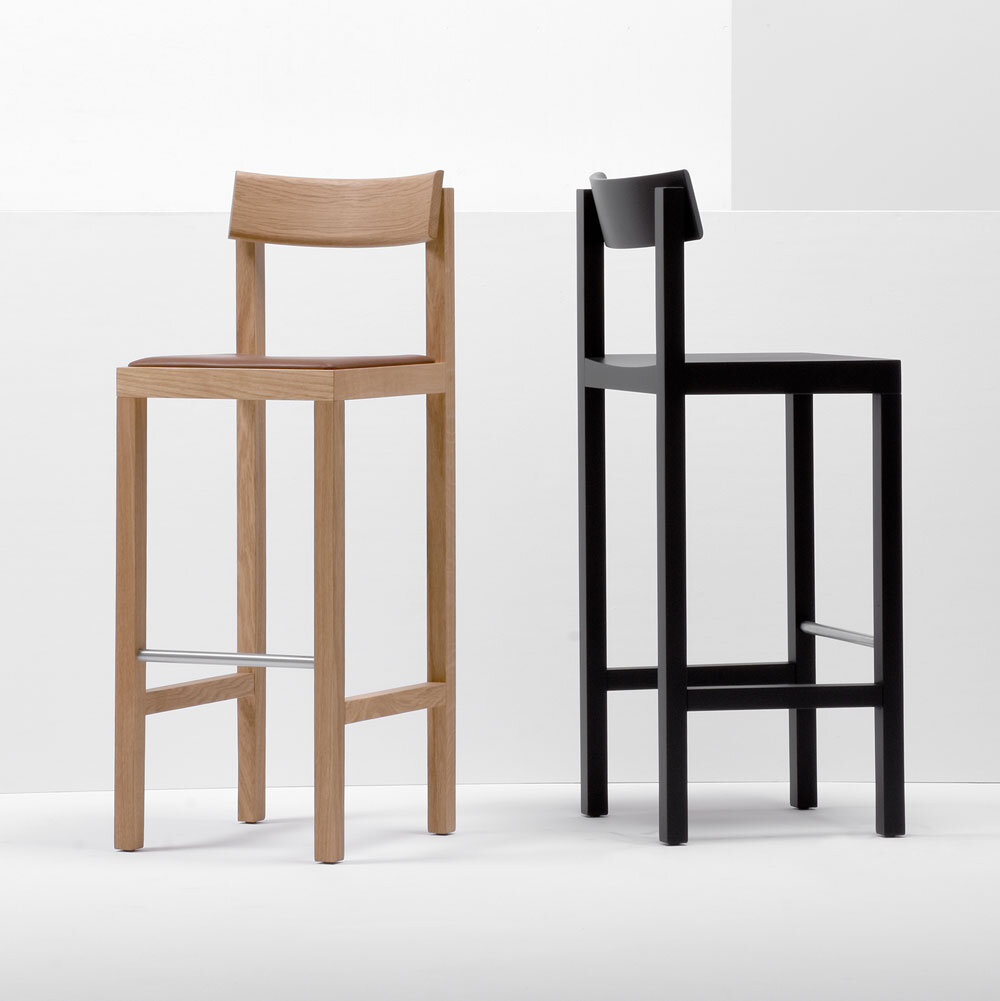
The Primo Stool is created with only the most basic elements: four legs, a seat, and a backrest. The straight leg gives the stool a strong architectural presence. However, the formal strictness is disrupted by the curved backrest which seems to levitate on the ends of the stool’s hind legs.

Osso had to be the illustration of what Mattiazzi is in its roots. Timber has a key role in Osso and it can express all its beauty. The Osso chair invites to be touched as it is extremely sculpted and polished thanks to the use of highly sophisticated digital control equipment.
The Osso collection includes chairs, stools, and tables.

Confidently stepping out of line, the DOPO Stool’s fourth leg protrudes beyond the seat.
At walking stick height, the raised leg becomes a hand-flattering knob, and uses to hang your bags and pull DOPO closer to you. Studio OE are curious to see what other interactions this extension will encourage.
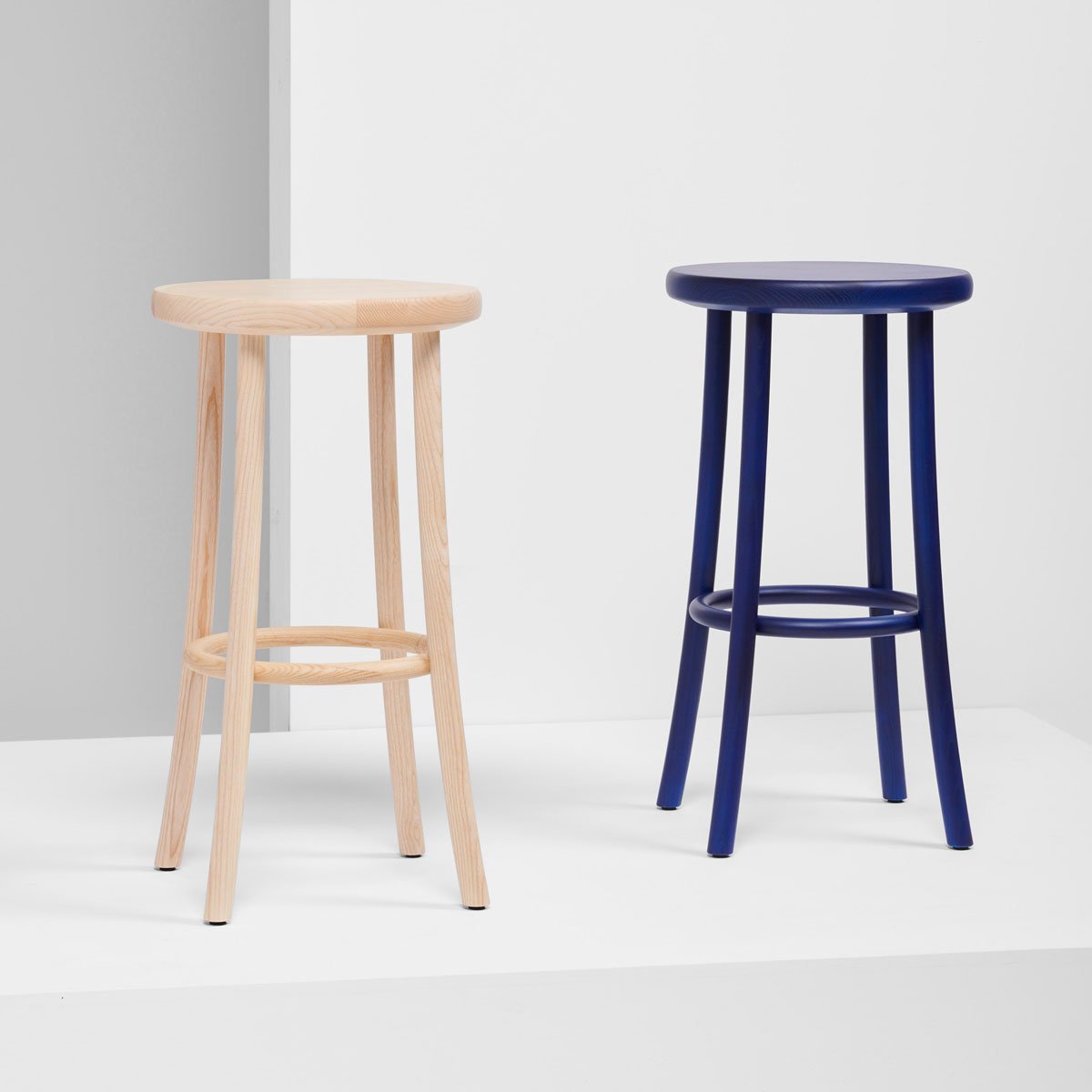
Zampa is a light, graceful stool with gently curving legs. It has only a few elements and a minimum of joins in keeping with the rigorous expectations of its designer, Jasper Morrison.
Its round, flat seat is a technical achievement in that it is simply structured to provide some flex and therefore a surprising softness in how it sits.
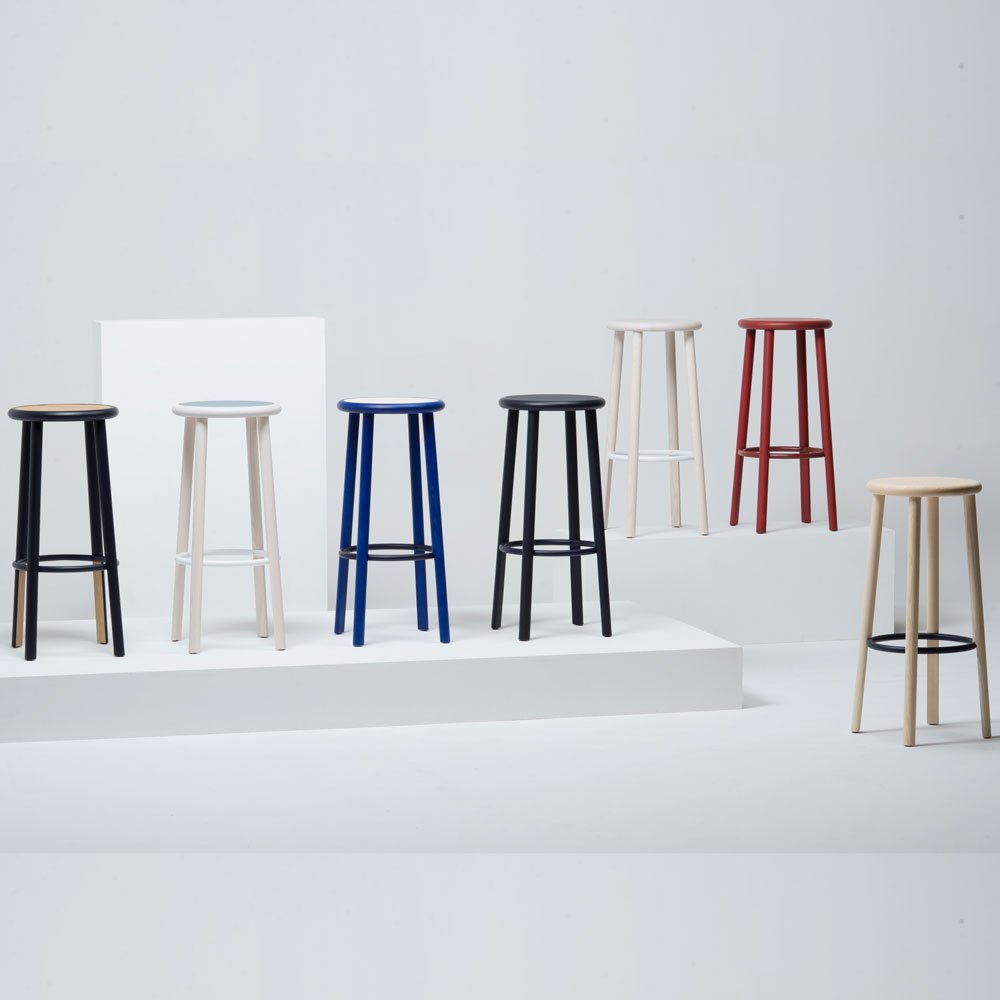
Solo upholds the quality handcrafted detail which defines the Mattiazzi collection. This robust yet simple and refined furniture family was conceived to be used in cafés and restaurants as well as in residential settings. Solo offers great flexibility – both in use and in the variations offered.
Simplicity is the key feature of the Solo chair, however Mattiazzi has created a nuanced chair which tunes the right details to form exactly the right character for the chair.
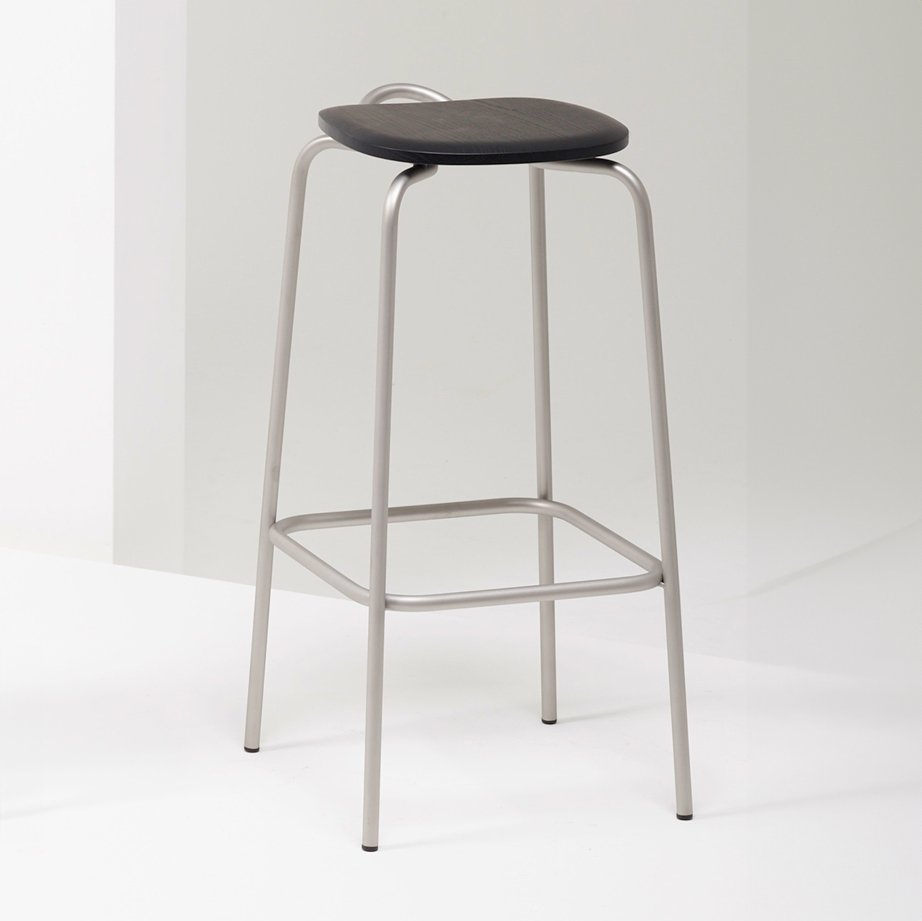
The Forcina collection has a feminine, pragmatic character. From the outset, Forcina was considered within the context of a cafe or a restaurant. Historically cafe chairs often have a curvilinear form, perhaps influenced by the iconic history of Viennese Cafe furniture or the sweetness of the pastries served.
The Forcina family includes chairs, armchairs, square and round tables, low stools, and barstools.
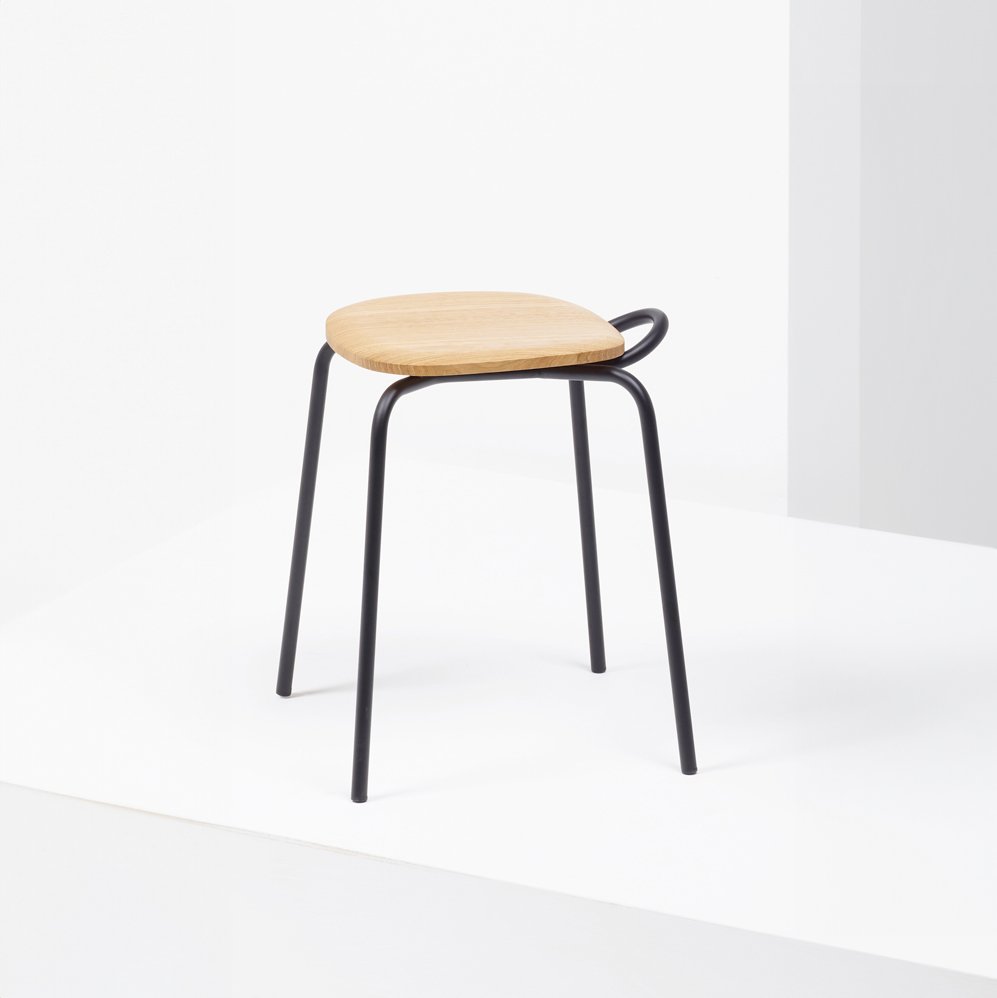
The Forcina collection has a feminine, pragmatic character. From the outset, Forcina was considered within the context of a cafe or a restaurant. Historically cafe chairs often have a curvilinear form, perhaps influenced by the iconic history of Viennese Cafe furniture or the sweetness of the pastries served.
The Forcina family includes a chair, armchair, square and round tables, low stool, and a bar stool.
Cugino soft extends the idea behind the original Cugino, offering the same clear geometry with a different material expression.
Where the original is defined by solid oak, Cugino soft is made from solid pine. The material shift brings a lighter, softer character. The grain is more subtle, the weight reduced, and the overall presence more relaxed. Pine is also more readily available, making this version more accessible while remaining considered in its production.
The form stays the same. Proportion, profile and construction follow the original design exactly. What changes is how it feels and how it is used.
The circular seat is finished with coloured linoleum, adding a tactile surface and a note of colour. This detail gently shifts its function. While still a stool, it can just as easily work as a compact side table.
Cugino soft is not a replacement, but an alternative. It shares the same design language as the oak version, while offering a different set of qualities.

Confidently stepping out of line, the DOPO Stool’s fourth leg protrudes beyond the seat.
At walking stick height, the raised leg becomes a hand-flattering knob, and uses to hang your bags and pull DOPO closer to you. Studio OE are curious to see what other interactions this extension will encourage.
-
33 cm (diameter) x 45 cm (height)
-
Finishes:
Burgundy
Orange Blast
Pistachio
Powder.
-
Please contact us to discuss your requirements and lead time.
-
-
Please read Miko’s Terms & Conditions prior to ordering.
Stelo reimagines the classic Windsor chair through a contemporary lens.
Designed by Sam Hecht and Kim Colin of Industrial Facility, it draws on the historic model’s economic and adaptive structure, where parts are crafted separately and brought together, while embracing Mattiazzi’s advanced woodworking techniques.
The result is a chair that feels both familiar and fresh. Stelo balances tradition with innovation, offering a refined assemblage that suits a wide range of spaces. It’s designed to be appreciated from every angle, by the person sitting in it and by the room it inhabits.
Stelo is more than the sum of its parts. It’s a thoughtful reinvestment in a timeless typology, shaped for today.