
A Guide to Architectural Lighting: How to Light a Space Properly
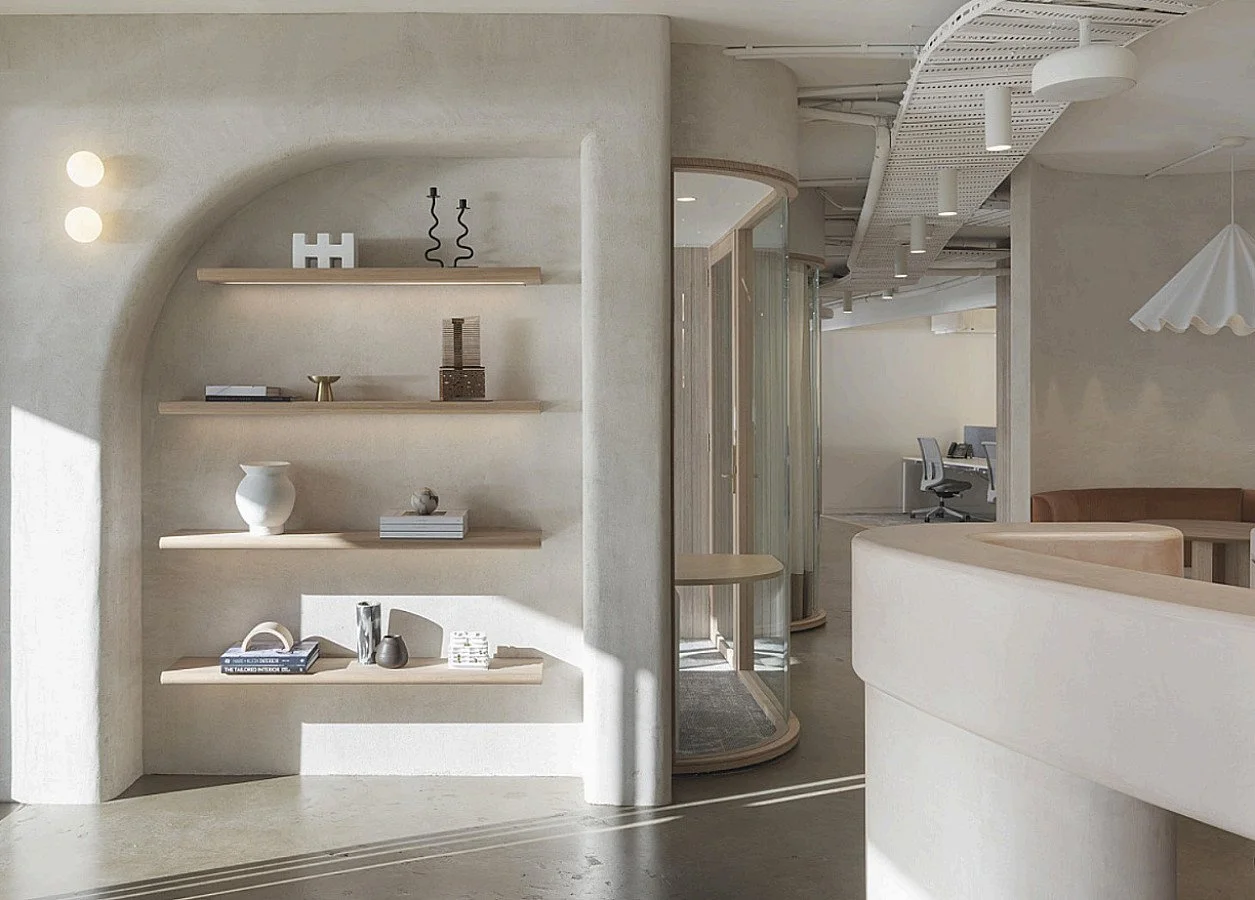
Good architectural lighting is often the lighting you notice least.
Rather than relying on a single decorative fitting to illuminate a room, architectural lighting uses carefully positioned light to define spaces, highlight materials, improve visibility and create atmosphere.
Downlights, spotlights, wall lights, uplights and concealed or low-level fittings can all form part of an architectural lighting plan. The aim is not simply to make a space brighter, but to put the right light in the right place.
At Miko Designs, our growing architectural lighting collection includes fittings for residential, hospitality and commercial projects, with options for both interior and exterior applications.
Explore our Architectural Lighting collection
What is architectural lighting?
Architectural lighting is lighting that has been considered as part of the architecture and interior design of a space.
Rather than treating every room as a grid of evenly spaced downlights, an architectural approach looks at how the space will actually be used.
That might mean directing light onto artwork, grazing a textured wall, illuminating a kitchen work surface, softly lighting a hallway at low level or using a narrow beam to highlight a particular architectural feature.
The fitting itself is important, but so are the characteristics of the light it produces.
Beam angle, colour temperature, colour rendering, glare, output, dimming and placement can all make a substantial difference to the finished space.
Start with what you want to light
One of the simplest ways to improve a lighting plan is to stop thinking first about the ceiling.
Instead, consider what needs to be illuminated.
In a living room, that might be artwork, a coffee table, shelving, a reading chair or the texture of a wall.
In a kitchen, task lighting is important around preparation areas and work surfaces, while softer ambient lighting can create a different atmosphere once cooking is finished.
In hospitality and commercial interiors, lighting may also need to guide movement, highlight merchandise, define different zones or draw attention to particular materials and architectural details.
The lighting layout can then be developed around these requirements.
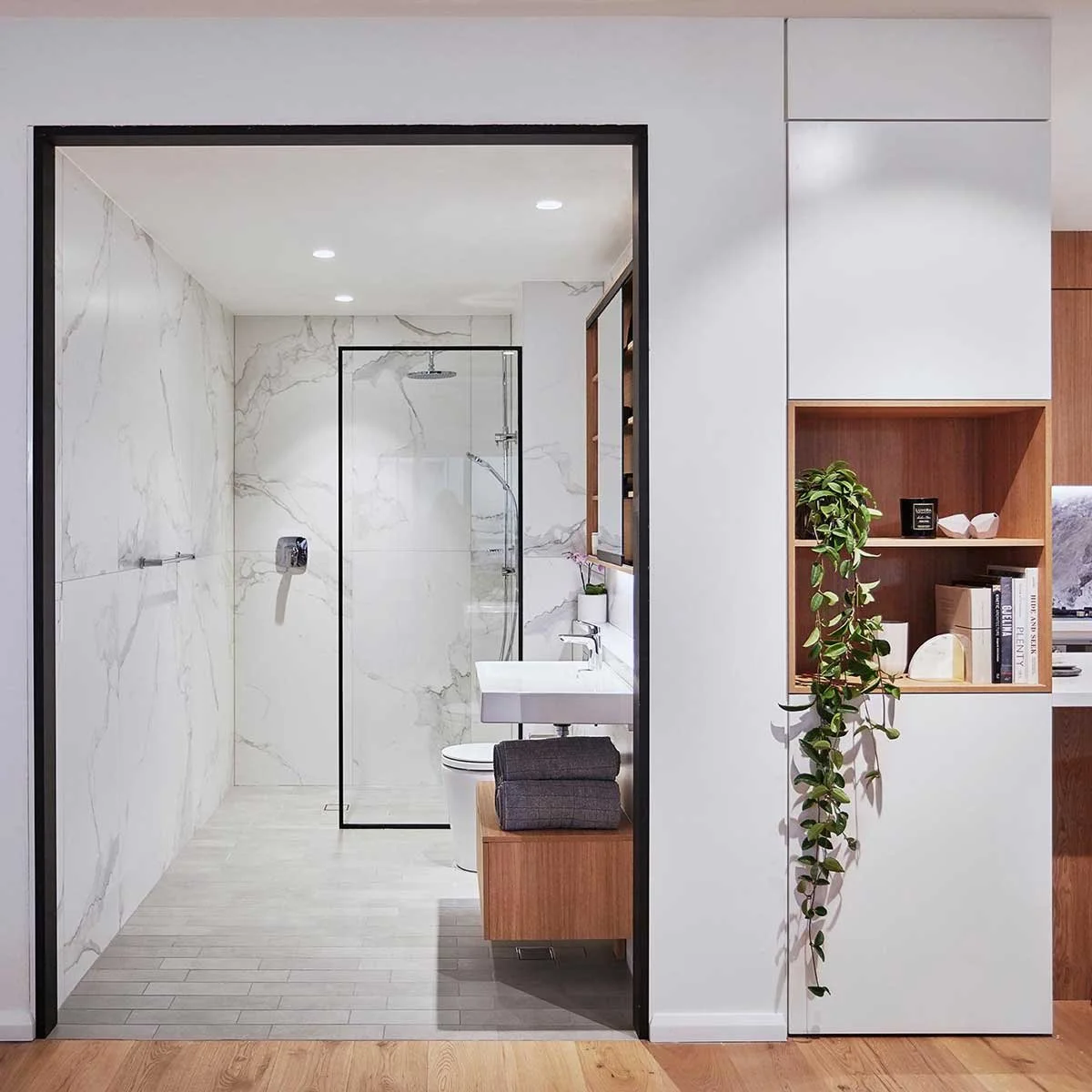
Downlights and spotlights
Downlights remain one of the most useful tools in architectural lighting, but their performance varies considerably.
A well-designed downlight can provide controlled, low-glare illumination without becoming visually dominant within the ceiling.
Adjustable spotlights give greater flexibility, allowing light to be aimed towards artwork, walls, joinery or other features rather than simply projecting directly onto the floor.
In many spaces, combining fixed and adjustable architectural lighting creates a better result than using one fitting throughout the entire project.
Understanding beam angle
Beam angle determines how narrowly or broadly a light fitting distributes its light.
A narrow beam produces a more concentrated pool of light and can be useful for highlighting artwork, objects and architectural features.
A wider beam provides broader illumination and can be more appropriate for general lighting.
Neither is inherently better.
The right beam angle depends on factors including ceiling height, the distance between the fitting and the surface being illuminated and the effect you are trying to achieve.
This is why architectural lighting is often available with a choice of optics rather than a single standard configuration.
Why CRI matters
Colour Rendering Index, generally referred to as CRI, describes how accurately a light source reveals colour.
High-quality architectural lighting commonly uses high-CRI LEDs so that timber, stone, fabric, artwork, food and other materials appear natural and accurate under artificial light.
This can be particularly important in residential interiors, restaurants, retail environments and projects where considerable attention has been given to materials and finishes.
Beautiful materials deserve lighting that allows them to be seen properly.
Choosing a colour temperature
Colour temperature also changes how a room feels.
Warm colour temperatures are commonly used in residential, hospitality and relaxed interior environments, while slightly cooler temperatures can be appropriate for certain workplaces, task areas and contemporary commercial spaces.
Consistency is important.
Using different colour temperatures without a clear reason can make adjoining areas feel disconnected, particularly in open-plan interiors.
A considered lighting plan will usually establish a colour-temperature strategy for the project rather than selecting fittings individually.
Wall grazing, uplighting and low-level lighting
Architectural lighting does not have to come from the ceiling.
Wall grazing is a technique where light is positioned close to a wall and directed across its surface, creating highlights and shadows that emphasise texture and depth. It is particularly effective on materials such as brick, stone, concrete and textured plaster.
Uplights can be used to illuminate walls, columns, landscaping and architectural features from below, while keeping the light source itself relatively discreet.
Step lights and low-level wall lights add another layer of illumination, particularly through hallways, stairs and circulation areas.
Used together, these techniques create depth, contrast and visual interest within a space.
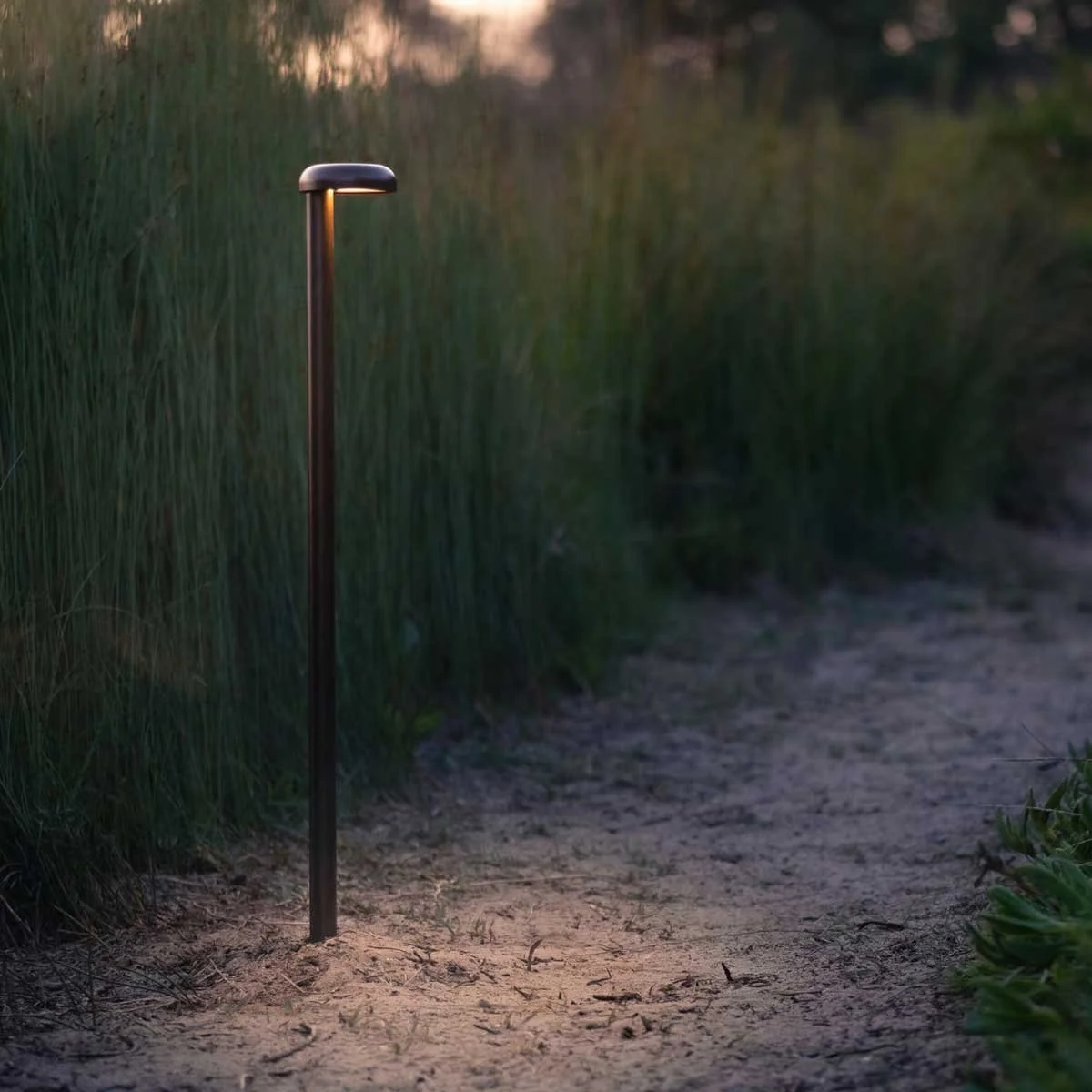
Architectural lighting for outdoor areas
The same principles extend outside.
Exterior architectural lighting can illuminate entrances, pathways, walls, landscaping and outdoor entertaining areas while becoming part of the architecture itself.
The fitting needs to be appropriate for its installation location, particularly where it may be exposed to rain, moisture or other environmental conditions.
Our outdoor and wet-area collection includes IP-rated architectural wall lights, spotlights, uplights, step lights and bollards suitable for a range of residential and commercial applications.
Australian-made architectural lighting
Australia has a growing architectural lighting industry producing highly resolved fittings for demanding residential and commercial projects.
Our collection includes Australian architectural lighting from ARX, together with our expanding Miko range.
ARX designs and manufactures specification-grade architectural lighting in Australia, with products including downlights, adjustable spotlights, wall lights, grazing lights, step lights, uplights and bollards.
Across the wider Miko collection, we are increasingly focused on architectural lighting that combines technical performance with simple, refined forms that integrate comfortably into contemporary architecture.
Explore Australia’s ARX Lighting
Architectural lighting for residential projects
Architectural lighting isn't only for large commercial projects.
A carefully considered lighting scheme can make an enormous difference to a house or apartment.
Instead of filling the ceiling with downlights, consider creating layers of light.
Architectural fittings can provide the functional foundation of the lighting plan, while pendants, wall lights, floor lamps and table lamps introduce softer ambient and decorative light.
This combination allows the lighting to change throughout the day rather than forcing one lighting level to perform every task.

Architectural lighting for commercial and hospitality projects
Commercial lighting introduces additional requirements around performance, durability, maintenance and consistency across larger quantities of fittings.
Hospitality projects may require a combination of ambient lighting, table lighting, wall grazing and focused accent lighting.
Retail environments often need accurate colour rendering and adjustable fittings.
Workplaces can require effective task lighting while still creating comfortable communal and breakout areas.
We work with architects, interior designers, builders and clients to source architectural and decorative lighting for projects throughout Australia.
Planning a lighting project?
Lighting is easiest to resolve early.
If possible, begin considering lighting while electrical layouts, ceiling plans, joinery and finishes are still being developed. This provides far greater freedom to position fittings where they will actually be useful rather than adapting the lighting plan around decisions that have already been made.
Miko Designs can assist with architectural and decorative lighting selections for residential and commercial projects from our Canberra showroom.
You can bring us your plans, elevations, material selections or photographs and we can help identify suitable fittings for your project.